We’re All Burning Ourselves Out to Keep Money Flowing Up to the Rich
Increased productivity has failed to translate into fair compensation, and we’re all working ourselves to death. Not having time to rest or think is not just terrible for human beings — it’s terrible for democracy.
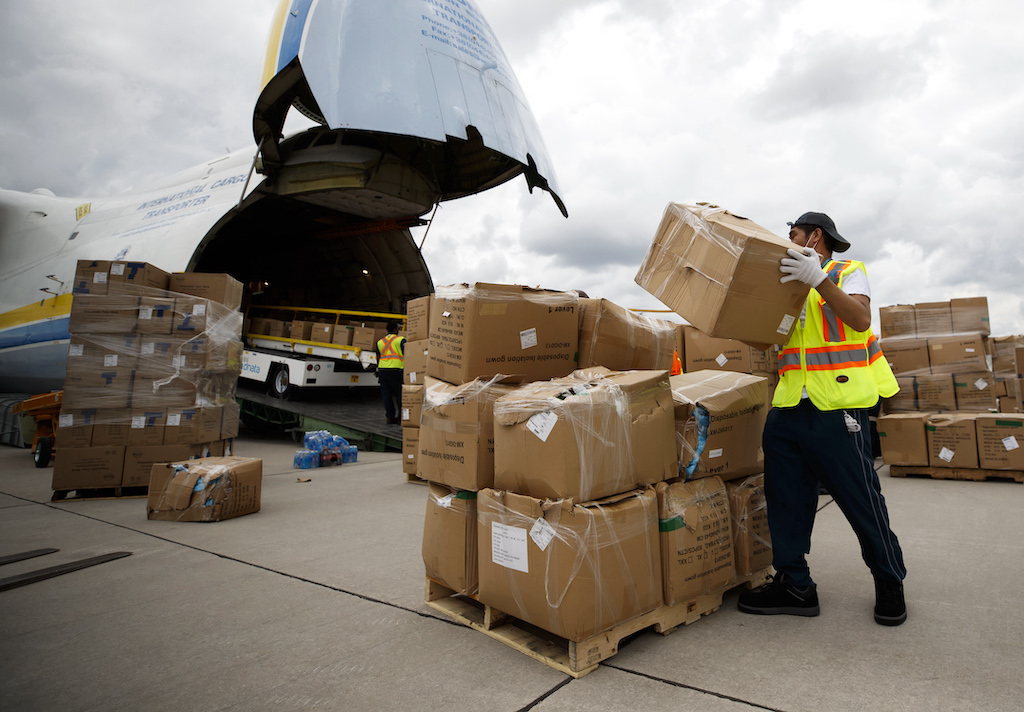
Worker at Toronto Pearson International Airport in Ontario, Canada, on May 30, 2020. (Cole Burston / Bloomberg via Getty Images)
Last spring, a survey found that nearly 40 percent of professionals in Canada were experiencing increasing burnout. The data from consulting firm Robert Half found the top causes that workers cited were workload, poor communication and support from management, and a toxic work environment. Consistent with data from the United States and around the world, the Canadian survey found Gen Z and millennials were most affected by burnout. But the phenomenon isn’t unique to them. It’s a broad and deep crisis — and it stretches beyond the workplace.
There are several causes of burnout, but it’s often fundamentally a problem of imbalance and a lack of control of one’s life. Being under another’s control risks stamping out autonomy and exposure to over-taxing and unreasonable working conditions and environments. Such conditions include an imbalanced workload and a lack of time off and rest. In sum, we are forced to work too hard, for too long, with limited support and time off.
All Work, No Play
In our market society, time spent outside work is often infiltrated by work-related concerns, upsetting what ought to be a sacred time and space of rest. When we’re not working, we’re thinking about working, we’re worrying about working, we’re checking e-mail, or we’re being asked to “go the extra mile” and put in more time. The digital tether has contributed considerably to the blurring of work-rest boundaries, making us constantly available to our boss’s demands 24-7, effectively transforming home-life into a mere work extracurricular.