Mike Flanagan’s The Fall of the House of Usher Is Bingeable Halloween Viewing
Netflix’s resident horror auteur is back with his take on Edgar Allen Poe’s The Fall of the House of Usher. You’ll have a good time — even if some of the nods to “sociopolitical relevance” might send your eyes rolling.
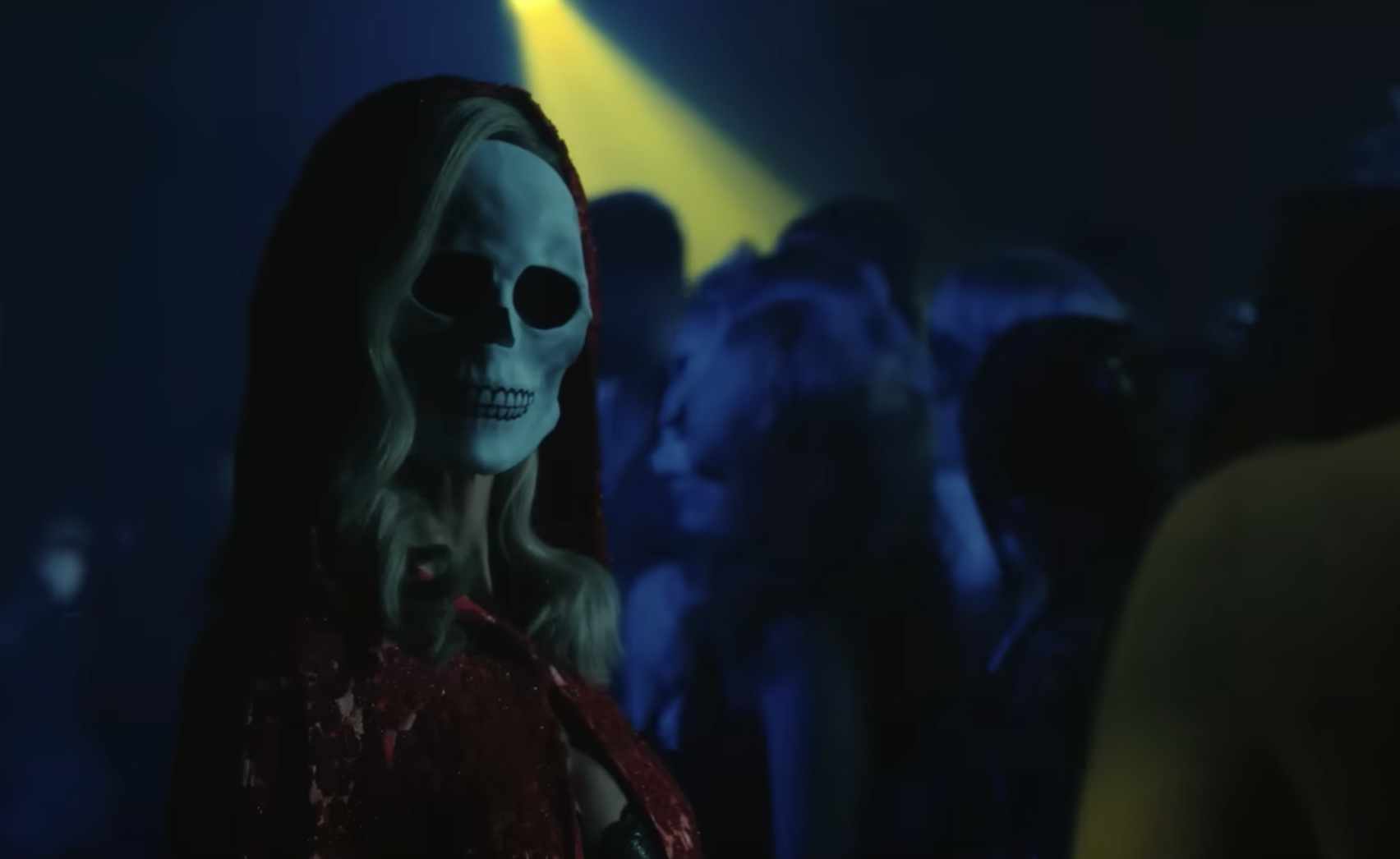
A still from The Fall of the House of Usher, Mike Flanagan’s new Netflix horror series. (Netflix / Youtube)
There’s a lurid Gothic melodrama playing on Netflix and getting a lot of critical attention, called The Fall of the House of Usher. It’s an eight-episode series by Mike Flanagan, the director of such horror films as Oculus (2013), Gerald’s Game (2017), and Doctor Sleep (2019), all of them praised by legends like Stephen King, Quentin Tarantino, and the late William Friedkin.
Flanagan’s claim to widespread popularity also includes the Netflix series The Haunting of Hill House (2018), which was loosely adapted from Shirley Jackson’s famous novel, and The Haunting of Bly Manor (2020), based on Henry James’s The Turn of the Screw and Midnight Mass (2021). Flanagan seems to specialize in taking on classic literary horror stories — updating them and using them as springboards for vastly expanded narratives of present-day life.
In the case of The Fall of the House of Usher, Flanagan ranges through the eerie tales of Edgar Allen Poe, pulling a creepy character here and a ghastly plot point there to adorn his story of the vile Usher clan. Poe’s desiccated aristocrat Roderick Usher, the last of his line and incestuously obsessed with his late sister Madeleine — who turns out to be interred but not actually dead — is nowhere to be found here. Instead, we have the ruthless billionaire twin siblings Roderick (Bruce Greenwood) and Madeleine (Mary McDonnell), heads of a dysfunctional extended family and a business dynasty founded on the Fortunato pharmaceutical empire that flooded the market with a new and dangerously addictive opioid pill.