Barry Hines’s The Gamekeeper Is a Novel About How Capitalism Steals Nature From Us
Barry Hines is best known as author of Kestrel for a Knave, adapted for film by Ken Loach. His newly rereleased novel, The Gamekeeper, offers a searing portrait of how capitalism steals nature from working-class people.
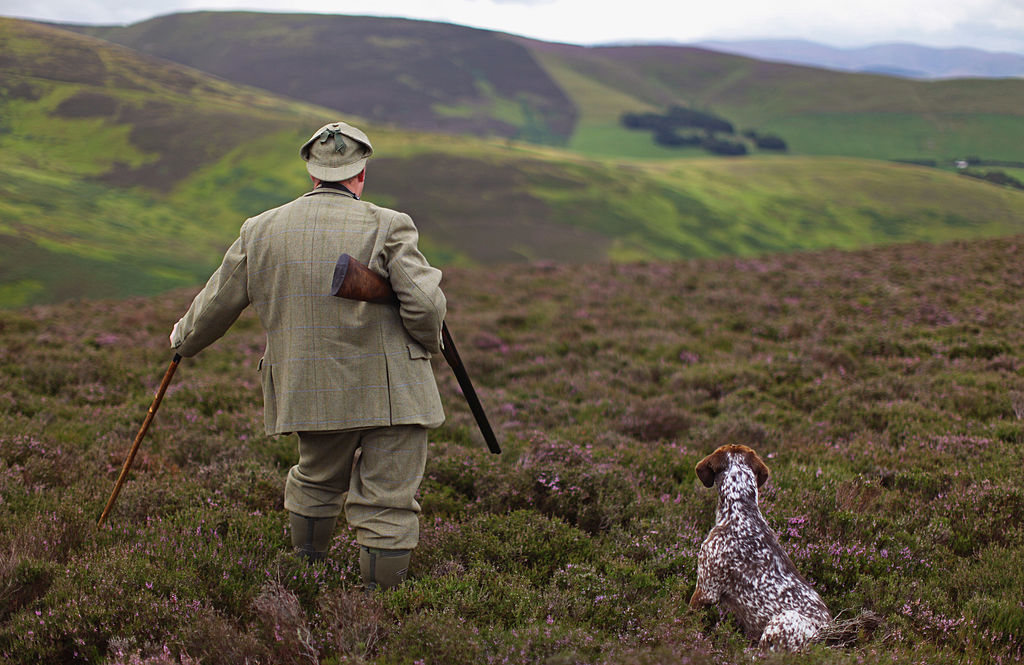
Barry Hines’s The Gamekeeper illustrates how land ownership in the capitalist age forces all of nature — animals and people alike — to work in the service of the few. (Jeff J Mitchell / Getty Images)
The mass trespass movement, which reached its peak ninety years ago at Kinder Scout in Derbyshire, remains one of the starkest examples of hand-to-hand class conflict in British history. But the landowners who resisted the working-class ramblers accessing their land, of course, stayed away from the violence — instead outsourcing it to their gamekeepers. In Barry Hines’s novel The Gamekeeper, written and set decades later, in 1975, a minor character tells a joke that sums up how Britain’s ruling class has always relied on others doing its dirty work:
The old Duke was out walking on one of his moors, when he came on this miner with a gun under his arm. Anyroad, they had a right argy-bargy about private property and trespassing and such like, and in the end the Duke finished up saying, “Do you know my ancestors had to fight for this land, my man?” And the miner said, “Right then, get your coat off and I’ll fight you for it now.”
Like police officers and soldiers, these professional hunters occupy an uneasy place in Britain’s class system. Where they differ, however, is that they are privately employed — accountable directly to the landowning aristocracy without even the veneer of democratic oversight. It was fitting that it was gamekeepers who carried the late Queen Elizabeth II to her hearse at Balmoral on Sunday: for while she owned the Scottish castle purely on account of her status as monarch, it is technically part of the Windsors’ “private estate” — unlike Buckingham Palace and Windsor Castle, which are state assets.