Employers — Not Workers — Are to Blame for the Labor Crisis
Mainstream Canadian pundits claim the country is in the midst of a “labor crisis” in which workers just don’t want to work. This is absurd: workers need unions and decent wages, and right now many don’t have either.
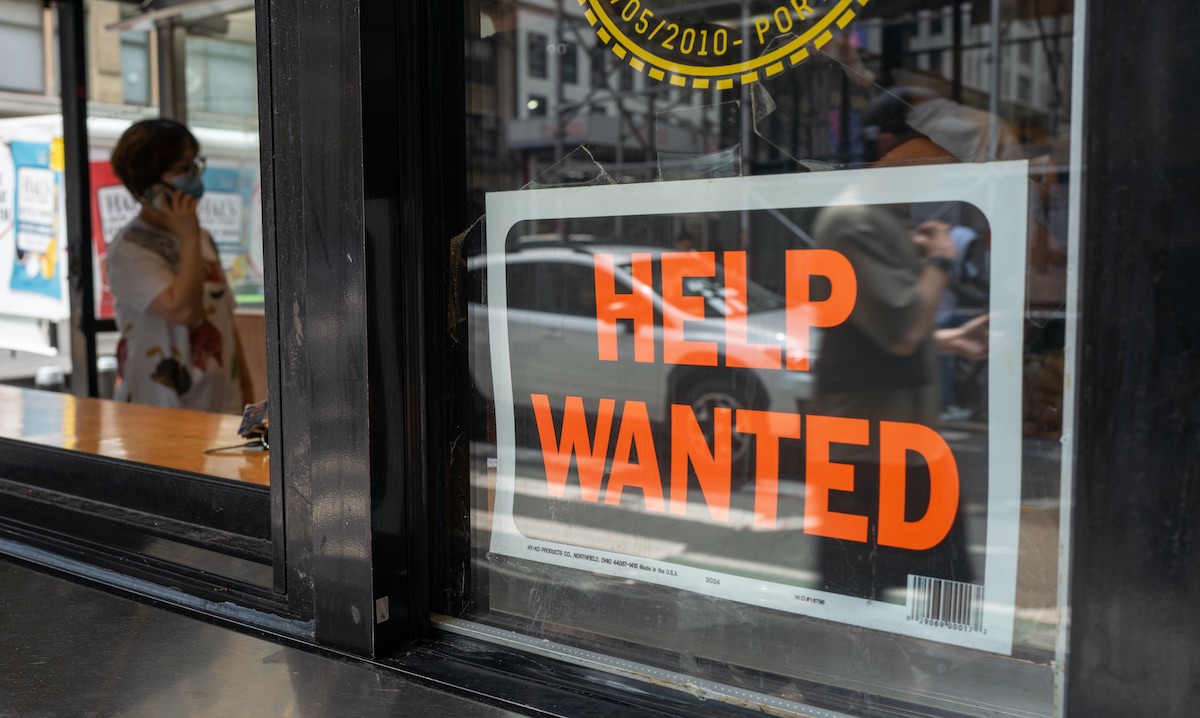
Canada’s “labor crisis” is actually a wage crisis. (Spencer Platt / Getty Images)
Businesses can’t find workers. It’s not a unique complaint, but it is a growing one. It may have been an occasional employer gripe before COVID-19 arrived on the scene, but it grew as the pandemic did. And while the business world is eager to point its finger at government supports — and workers themselves — for the dearth of available labor, they have only themselves to blame for the challenges they face.
Searching to understand the labor challenge, we need to consider the handful of causes that can explain changes to the labor market. In Canada, the pandemic resulted in roughly forty thousand excess deaths from January 2020 to March 2022. According to Statistics Canada, that is “7.4 percent more deaths than would have been expected if there were no pandemic, after accounting for changes in population such as aging.” Those numbers include a jump in deaths of individuals under forty-five years old. Consistent with the Canada’s persistent failure to care for disabled people, the pandemic also led to a rise in disability. According to disability rights advocates, this is a development for which the country wasn’t prepared.
Throughout the last two years, many Canadians have retired too. This shouldn’t come as a surprise. As economist Armine Yalnizyan told the Canadian Broadcasting Corporation, the demographic shift toward an older population — and the consequent uptick in retirements — was “the slowest-moving train on the planet. It was predictable sixty to sixty-five years ago, and we have done nothing about it.” As Yalnizyan points out, “we knew this transition was going to happen.” The purported nimbleness of liberal democracies is meant to be custom-built to deal with such shifts, and yet no such thing has happened. The free market is meant to quickly adjust to demographic and other changes and the state is meant to enable, or at least preserve, its capacity to do just that. As usual, the promise of free-market efficiency turns out to be grievously overblown.