Elon Musk and Silicon Valley Don’t Know How to Fix the Transportation System
Elon Musk and his billionaire brethren have all sorts of harebrained solutions to fix US transportation. But we already know what would benefit workers: well-funded public transit and fast trains, powered by a renewable energy grid that serves everyone.
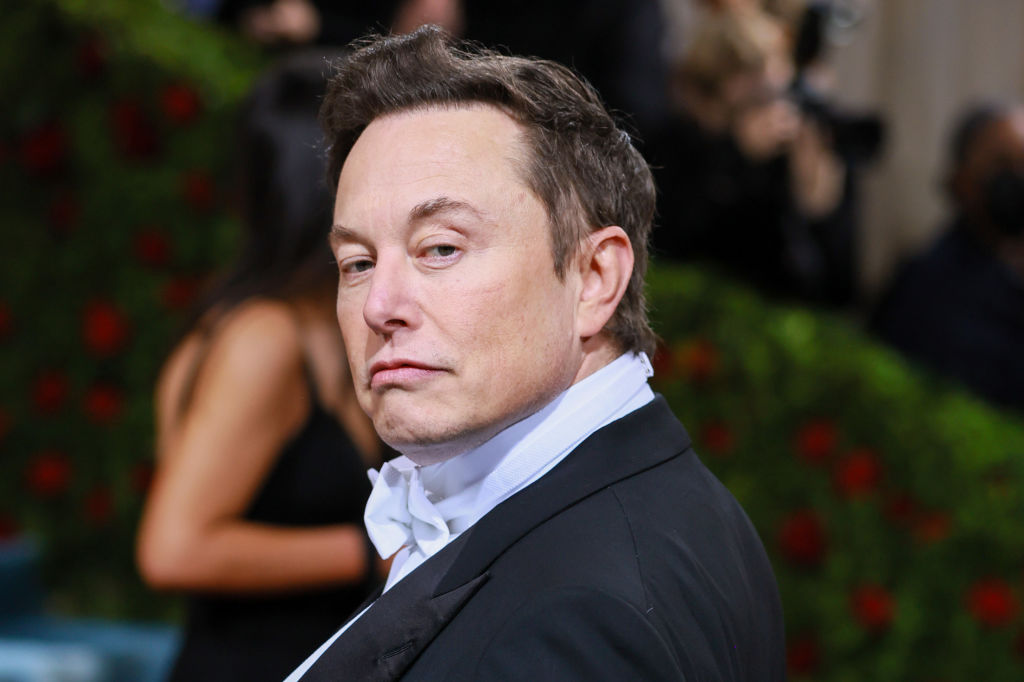
Elon Musk attends The 2022 Met Gala at The Metropolitan Museum of Art on May 2, 2022 in New York City. (Theo Wargo / WireImage)
The world’s richest man is a South African mining heir with a mile-long string of failed promises to fix the United States’ traffic problems — underground tunnels to thin out the roads, electric vehicles to cut emissions, autonomous driving to free up commute time. Despite this almost unbroken record of disappointments, back outs, and screwups, Elon Musk somehow retains the ability to get ass-kissing media coverage with each inane tweet he produces.
Thank God, then, for Paris Marx’s new book, Road to Nowhere, on Silicon Valley and its terrible impact on the nation’s roads. A fascinating and easy read, it’s a breezy trip through Big Tech’s stunningly ill-conceived quick fixes for the US transportation system. What could feel like dry tech history instead becomes a fast-moving analysis that pinpoints how our trainwreck of a transportation system could have been different — and still could be.
Off the Rails
A Canadian podcast host and socialist writer (including for Jacobin), Paris Marx peels out with a quick background chapter on the early history of conventional automobile development. Before the advent of the automobile, US roads were used by pedestrians, vendors, and all manner of traffic, including horses and bicycles. Almost as soon as it became commercially viable, however, the internal combustion–powered car started to dominate the road.