The Founder of Surrealism Helped Inspire a Revolution in Haiti
- Myrna Bell Rochester
In 1945, the French revolutionary poet André Breton took a trip to Haiti. Breton was fascinated by Haiti’s culture and tradition of revolt — and his own talks helped trigger a popular uprising against the country’s dictator, Élie Lescot.
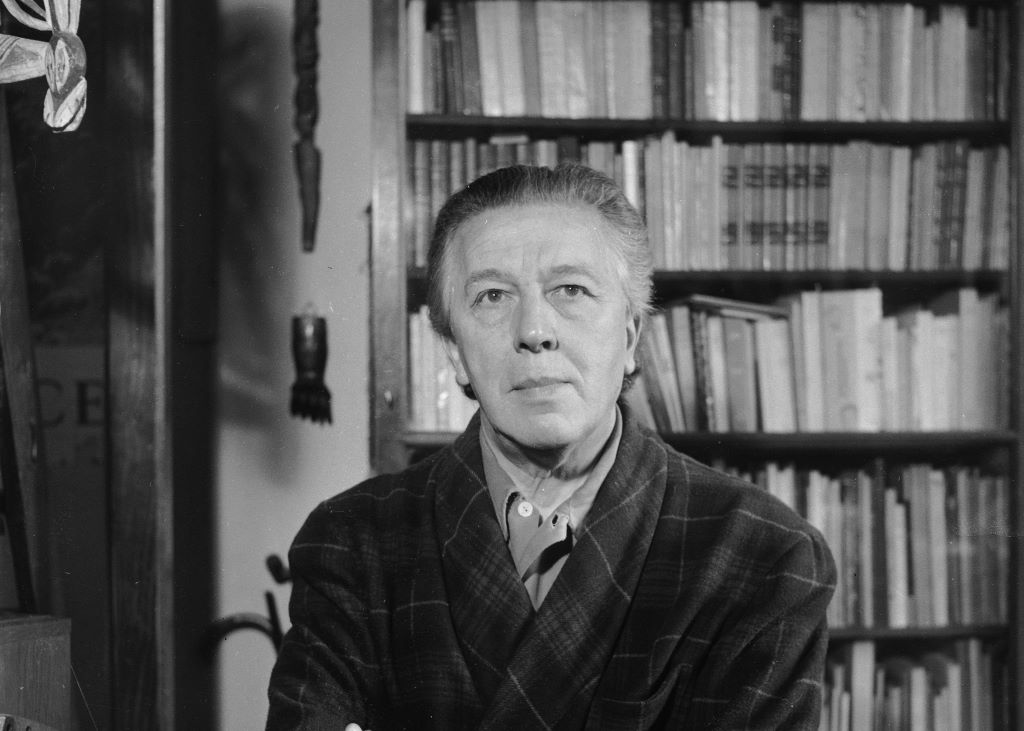
André Breton, photographed in France circa 1940. (Roger Viollet via Getty Images)
In September 1945, the French surrealist poet André Breton was invited to give a series of lectures in Port-au-Prince at the behest of his friend Pierre Mabille, himself the author of a remarkable surrealist-inspired work, Le Miroir du merveilleux (1940). Mabille, recently named French cultural attaché for Haiti, was at the time setting up the Institut français d’Haïti.
On December 4 that year, Elisa and André Breton flew to Haiti from New York where they were living. Testimonials by Paul Laraque and René Depestre show the enthusiastic anticipation that surrounded their visit. The excitement was shared by the young writers of the review La Ruche, Organe de la jeune génération, whose front-page headline on December 7, 1945, proclaimed, “Welcome to the great Surrealist André Breton.”
The Haitian poets revered Breton for his poetry as well as for his long fight for freedom: