Was the US Really Ever Trying to Win the War on Drugs?
The US spends around $48 billion on the war on drugs each year. The massive spending doesn’t do much to stop drug use, but it has been a major boon for arms and security contractors and human rights abusers around the world.
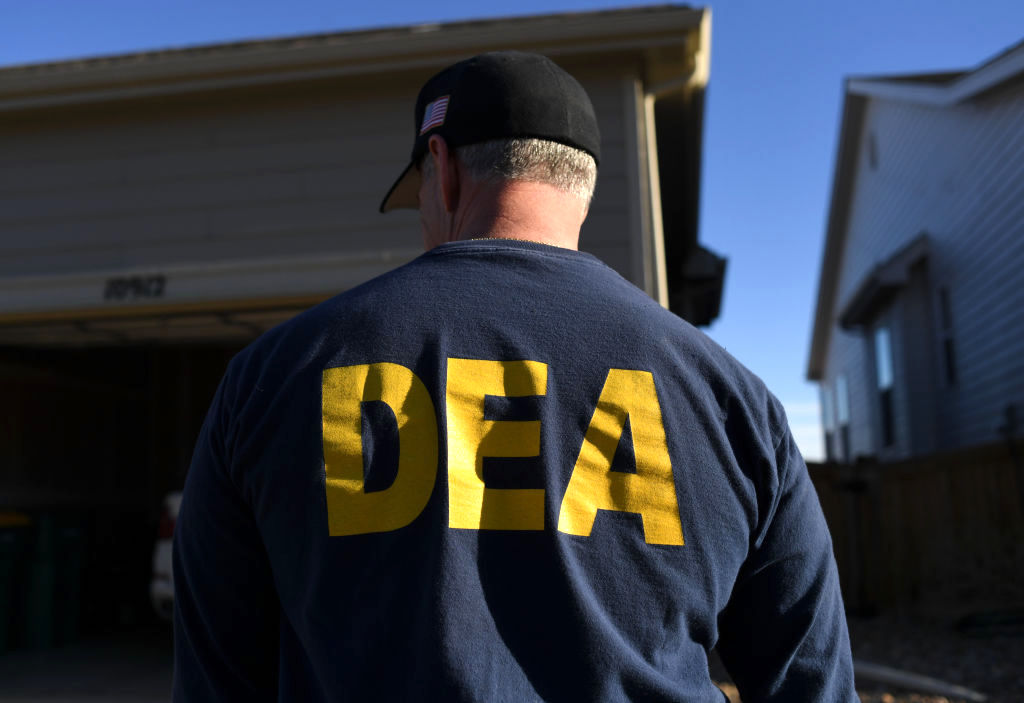
The United States spends around $48 billion on the war on drugs each year, with a fraction of the money invested in public health measures to support dependent populations. (Sangosti / MediaNews Group / the Denver Post via Getty Images)
When the former Bolivian president Evo Morales implemented the legalization of coca leaf growing in 2004, he knew he was taking a risk. The man who made his name as leader of a militant coca growers’ union then expelled the US Drug Enforcement Administration (DEA) officers who had backed a violent coca eradication campaign that often left farmers without viable alternatives. In terms of limiting coca production and reducing violence, legalization worked.
Morales — later forced to flee Bolivia following a US-supported coup — had argued that the increased demand for cocaine in North America should not rob indigenous people of ancient traditions going back potentially eight thousand years, as well as coca’s benefits. He called on the UN to remove it from its list of prohibited drugs.
“This leaf represents . . . the hope of our people,” Morales told the General Assembly in 2007, holding a coca leaf aloft. He negotiated successful crop substitution plans in an attempt to limit Bolivia to twenty thousand hectares of coca-growing fields — leading to a 12 percent decrease in the area used to grow it by 2011 (before limits were increased in recent years to service demand).