For Enrico Berlinguer, Communism Meant the Fullest Spread of Democracy
Born 100 years ago today, Italian communist Enrico Berlinguer grew up under Fascist dictatorship. In postwar decades, he became leader of Europe’s biggest Communist Party — and an iconoclastic champion of a democratic path to socialism.
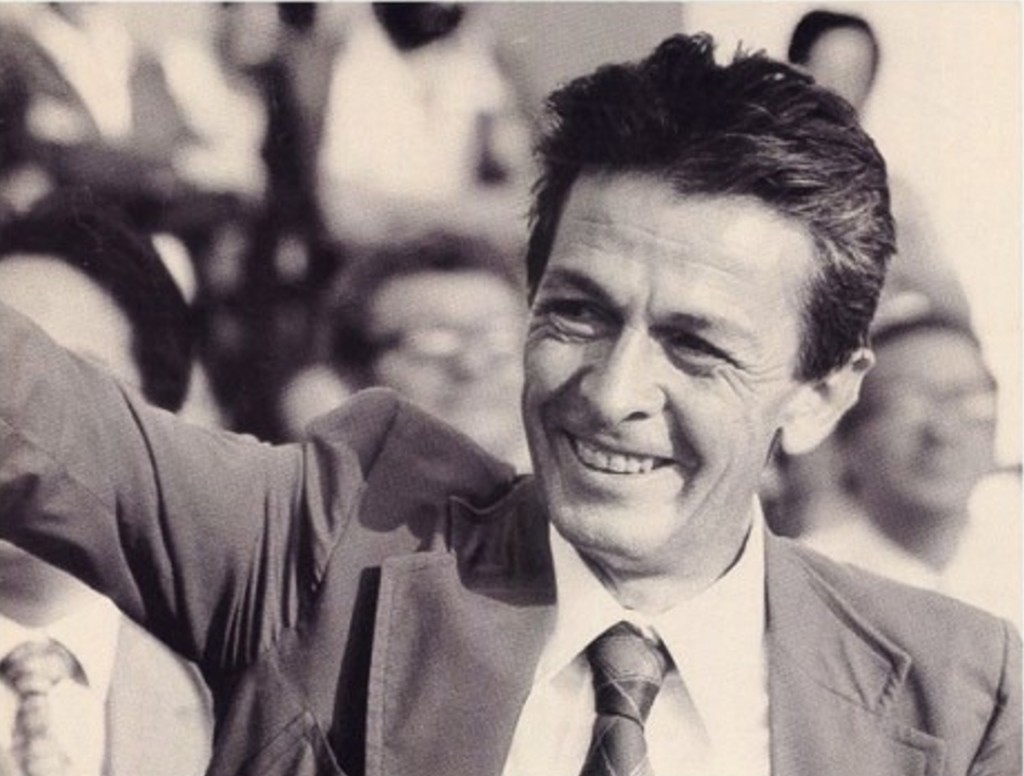
Enrico Berlinguer, leader of the Italian Communist Party, born on May 25, 1922.
Enrico Berlinguer was born on May 25, 1922, just five months before Benito Mussolini’s March on Rome. His early childhood was a time of hardening Fascist dictatorship, the same years in which Antonio Gramsci became leader of the Italian Communist Party (PCI), before his condemnation to a long jail spell. Where Gramsci’s leadership, and his life, were cut short by the regime — the greatness of his thought only really becoming known long after his death — Berlinguer would enjoy greater popularity as a PCI leader in his own lifetime.
Like Gramsci, Berlinguer was born on Sardinia, to a wealthy family in Sassari. His father, Mario, was an anti-fascist lawyer, in 1924 becoming an MP in the final elections allowed by Fascism, in which Gramsci also entered parliament.
Berlinguer became a communist at a young age. This owed to his love of reading Karl Marx and other revolutionary thinkers on the family bookshelves — but also to his acquaintance with workers who had not forgotten their communist ideals under Fascism. He joined the PCI in his hometown in 1943, as Mussolini’s rule was waning. The island had already been liberated by the British and Americans when Enrico was arrested for leading a popular protest against high living costs, spending several weeks in jail. In 1944, he was introduced to Palmiro Togliatti — Gramsci’s successor as PCI leader — by his father, who had become a Socialist and joined the anti-fascist government in the Allied-liberated South. Before long, Enrico began working full time for the PCI, becoming the Young Communists’ leader — as he remained until the fateful year of 1956.