A People’s History of Baseball
Communists fighting the color line. Baseball players resisting owners. America’s pastime has a fascinating, untold history of radical struggles against racial injustice and labor exploitation.
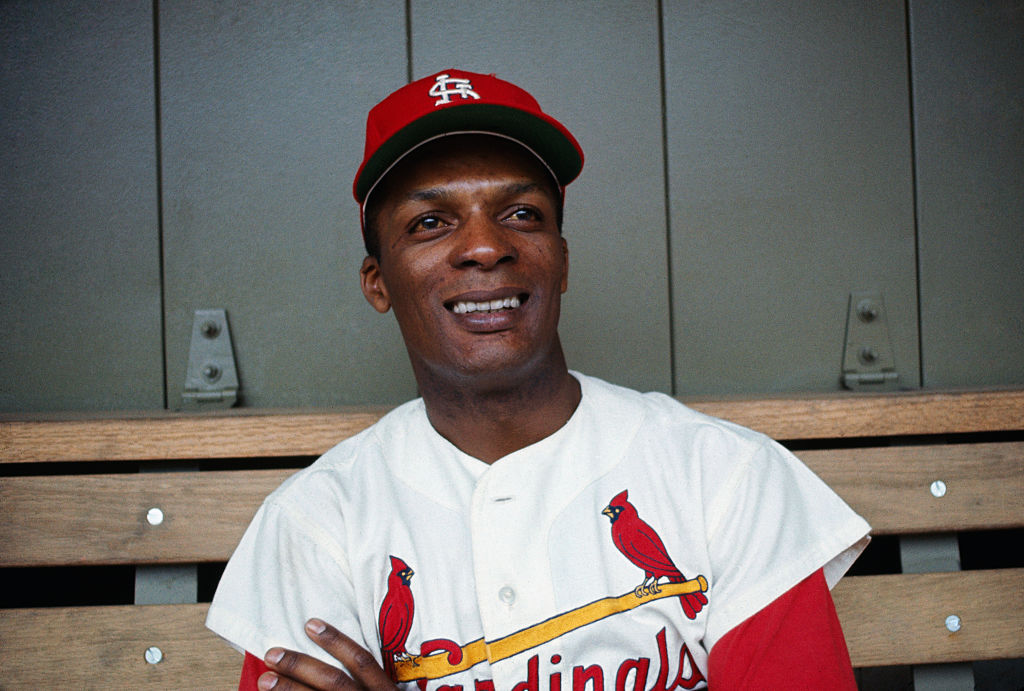
Curt Flood of the Saint Louis Cardinals, May 1966. Flood challenged Major League Baseball’s “reserve clause” barring players from changing teams. (Bettmann / Getty Images)
Seventy-five years ago this spring, Brooklyn Dodgers second baseman Jackie Robinson broke Major League Baseball’s color barrier. Most baseball fans probably know the story, which has been told numerous times in books and film. But do they know about Robinson’s civil rights activism off the field? How about the attempts to integrate prior to Robinson or the many struggles against labor exploitation before free agency was finally established in the 1970s?
Two new books from scholars Peter Dreier and Robert Elias tell these stories and many more. Serving as a kind of people’s history of the national pastime, Major League Rebels: Baseball Battles Over Workers’ Rights and American Empire and Baseball Rebels: The Players, People, and Social Movements That Shook Up the Game and Changed America show that the sport has been linked to politics and organizing since its very beginnings.
Jacobin contributor Michael Arria spoke to Peter Dreier about the books and how America’s pastime has been shaped by rebels and radicals.