Ken Burns Talks to Jacobin About the Revolutionary Benjamin Franklin
Ken Burns sat down with Jacobin to discuss his new documentary, Benjamin Franklin, and how the founding father’s spirit of humanitarianism and progress led him to establish America’s first abolitionist society two years before the Declaration of Independence.
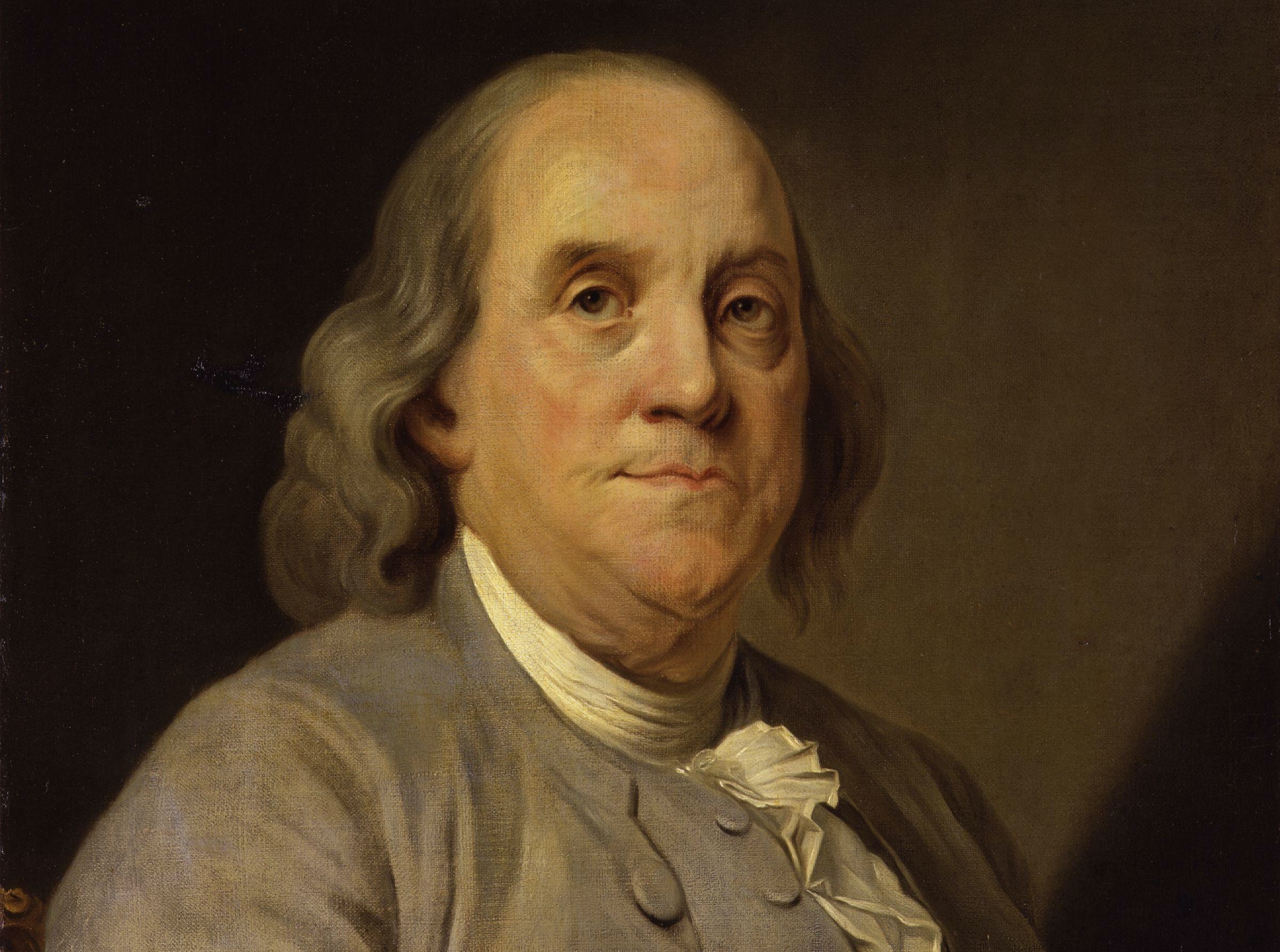
Joseph-Siffred Duplessis, Benjamin Franklin, 1783. (National Portrait Gallery)
Ken Burns’s Benjamin Franklin, written by longtime collaborator Dayton Duncan, chronicles the multifaceted private and public life of the eighteenth-century Renaissance man. The son of a candlemaker, Franklin was born 1706 in Boston and, despite only two years of formal schooling, went on to become a writer, printer, publisher, humorist, slave owner, scientist, inventor, revolutionary, Constitutional Convention member, and celebrity as “America’s greatest diplomat.”
In covering Franklin’s eighty-four years, Burns does much more than merely create a standard biopic. The filmmaker uncovers an electrifying fact, long overlooked (if not hidden) by school textbooks and even by Howard Zinn’s A People’s History of the United States.
Benjamin Franklin unearths the title character’s grand finale, how, in the last months of his life, Franklin fought to live up to the egalitarian credo he’d helped Thomas Jefferson draft in the Declaration of Independence. Franklin’s jaw-dropping final political act, as disclosed by Burns in his almost four-hour nonfiction epic, is genuinely heartwarming and full of hope for our troubled age.