How Tony Mazzocchi Built Worker Militancy in the Suburbs
Labor leader Tony Mazzocchi believed unions could inspire their members to engage in a broader political movement of working people. His Local 149 did just that in the 1950s — and in a suburban environment where no one thought it possible.
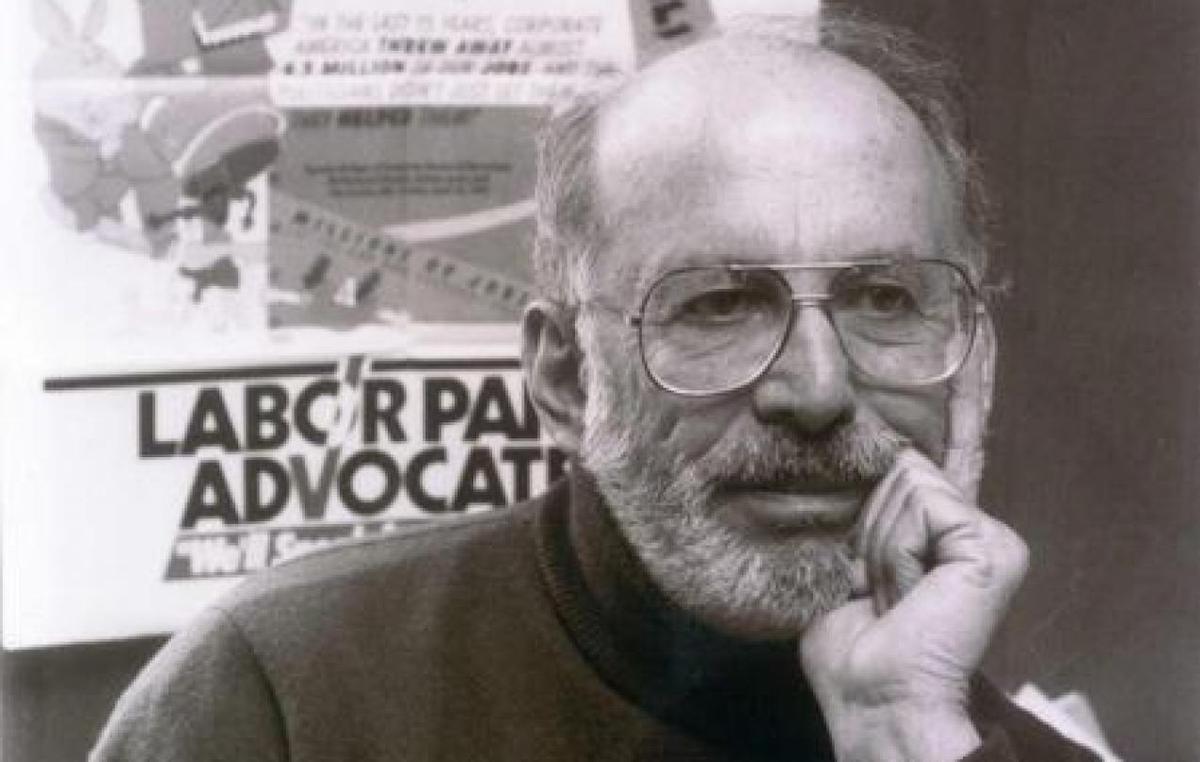
Tony Mazzocchi viewed labor unions as a vehicle for a broader political movement of working people. (Tony Mazzocchi Center)
There’s no denying that strong labor movements often thrive in urban centers. The organization of capitalist production in the late nineteenth and early twentieth centuries, while heavily exploitative of workers, also created the conditions for robust forms of worker organization. Being densely packed in cities that were relatively close to their workplaces allowed industrial workers to form deep bonds of solidarity with each other. Apart from the shop floor, these workers were likely to also interact with each other in other social spaces common to cities.
But how does the labor movement fare in the suburbs? Traditionally, the suburbs are thought of as bastions of conservatism, where workers go to become atomized consumers free from the common public spaces that feed solidaristic action.
Indeed, the business class has long believed this. While commentators often examine the offshoring of manufacturing jobs, not nearly as many focus on the relocation of urban jobs to the suburbs. This process was already well underway in the 1950s and ’60s.