The Fight to Get Back to Normal Is a Political Dead End
We may be exhausted by the effects of the pandemic, but the desire to return to business as usual is a blind alley. The pandemic is simply one facet of the broader crises we face — crises that were forged in yesterday’s normal.
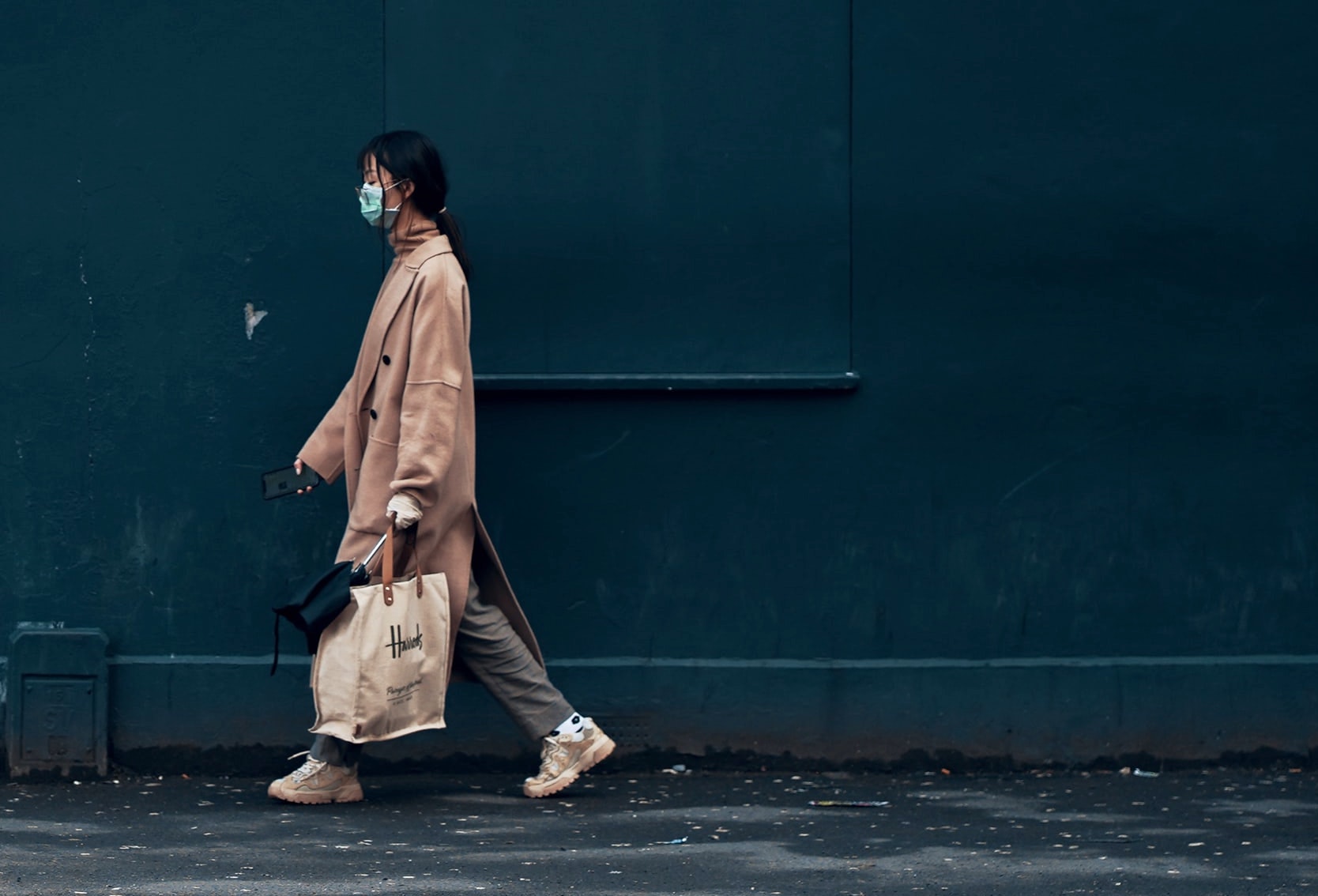
There is still political potential in the state of affairs the pandemic has created. (Ross Sneddon / Unsplash)
Early on, the coronavirus pandemic was experienced as a novel socio-viral jolt. The rush of closures and shutdowns, alarming as they all were, could equally be accompanied by a sense of giddy intrigue. At the time, this was understandable — initially, the prospect of what seemed to be an interim stint of home cocooning didn’t seem so bad. Those of us lucky enough not to have been immediately designated “essential” hunkered down in anticipation of an interruption lasting perhaps a few weeks before we returned to something like normal.
Two years later, the everyday “vibe” of the pandemic has changed entirely. To say nothing of the death and sickness that is constantly in the background — and sometimes the foreground — of pandemic life, novelty has given way to annoyed familiarity as we ride the wave of the “new normal.” Lockdowns, quarantines, distancing, masking, vaccinations, boosters. Been there. Recently, some optimism has resurfaced as pandemic restrictions have lifted across much of the globe in the wake of the Omicron wave, but we may still be stuck in the same monotonous loop.
This sketch of the quotidian trajectory of the pandemic has a certain mirror image in political and ideological life. From within the novel stage of the pandemic, political possibility could be seen everywhere. Could the “essential worker” category prompt a broad reconsideration of work and its value in places where, for decades, labor had been under attack? Could the massive mobilization of state institutions across the globe induce a renewed look at state capacity and the ends to which it could be put? Could collective vulnerability to the virus lead to a questioning of the individualistic doctrines that have featured so prominently in the political arenas of capitalist countries for the last several decades? Could we finally articulate a retort to Margaret Thatcher’s infamous insistence that society does not exist? Could unequal vulnerability to the virus lead to a serious effort to combat the widening of the gap between rich and poor both within and between states? All these questions were, at various times in the last two years, on the table.