What Will the “Metaverse” Do to Art and Culture?
By privileging immediacy and affect, virtual and augmented reality require us to submit to our senses. But culture is not just a matter of feeling — it is also a way of knowing and understanding the world.
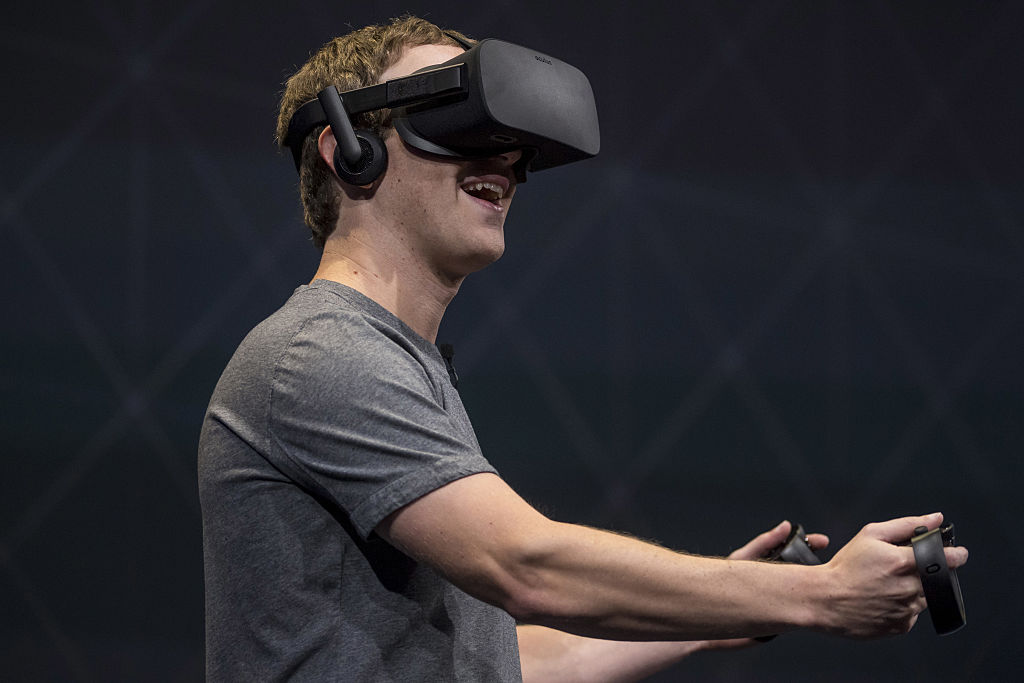
Mark Zuckerberg demonstrates a virtual reality headset during a press event. (David Paul Morris / Bloomberg via Getty Images)
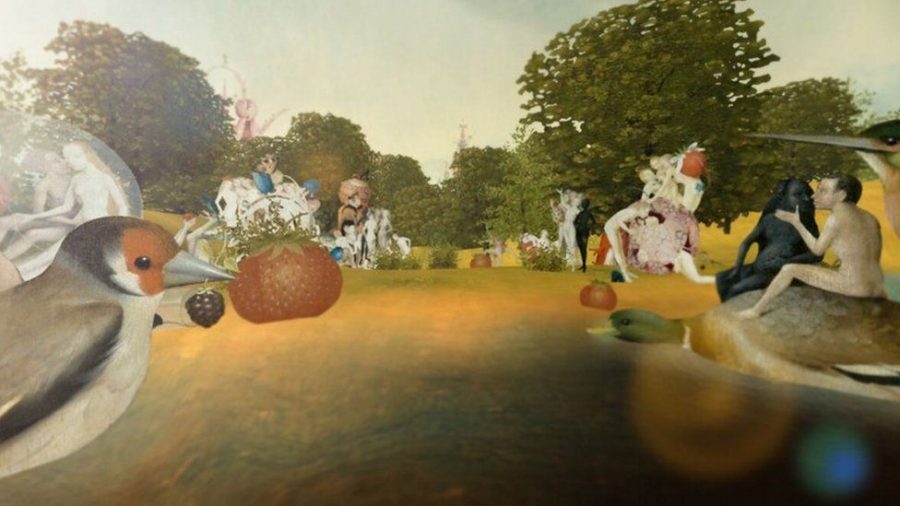
What does it mean to view a work from within? I recently experienced Hieronymus Bosch’s The Garden of Earthly Delights in virtual reality at a local museum. Strapping on the headset, I rolled forward on an invisible track through bright green hills, past animated cutouts of vengeful angels and hybrid creatures, jolting and waving. I gawked at the world of Bosch lit up like Christmas lights.
The journey came to a stop after about five minutes, and I pulled off the goggles, blinked, and rubbed my eyes. The tingle of nausea gave way to a sense of disappointment with the low-grade graphics and clunky animation. It was hardly the shiny future promised to us in recent films like Ready Player One, and certainly not a place I would like to spend considerable time. With the original triptych across the sea in the Prado in Madrid, it felt misleading to have this in a museum, like billing a fairground ghost ride as an exhibition about the afterlife.