The Mainstream Abortion Rights Movement Needs a Complete Rethinking of Strategy
Abortion rights in the United States are in greater danger than any time since Roe v. Wade — and the abortion rights movement’s national leadership has proven incapable of mounting the kind of strategy needed to protect it. That needs to change.
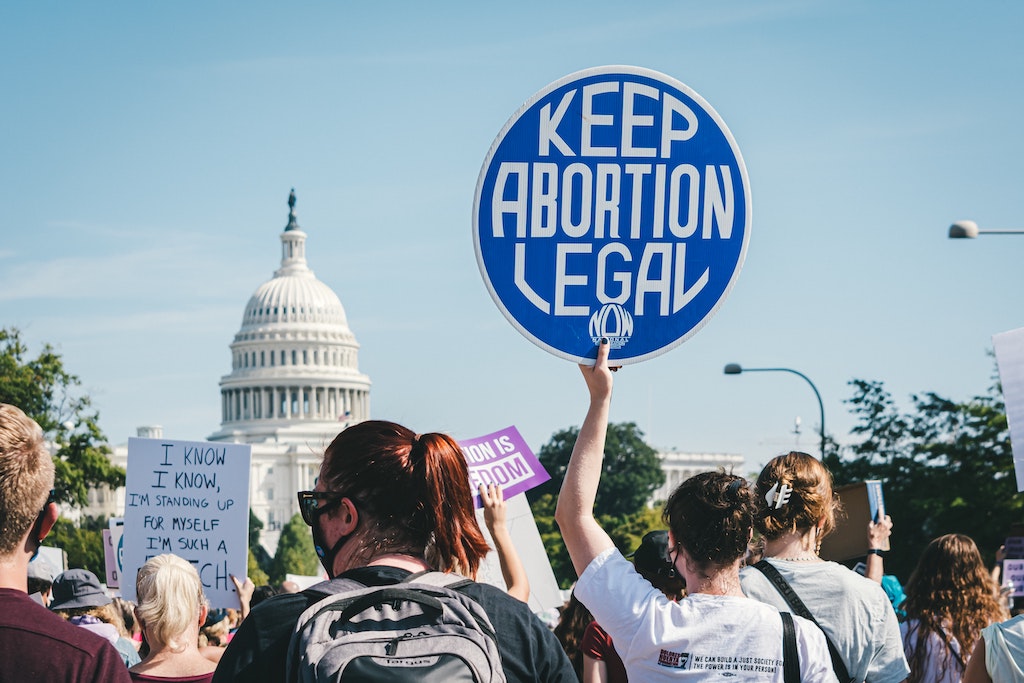
Roe v. Wade is on life support and it’s unclear if the abortion rights movement’s establishment is prepared for what’s to come. (Gayatri Malhotra / Unsplash)
In 2013, with the politics of abortion changing rapidly and for the worse, the most recognizable voice for abortion rights in the country chose to change the conversation about abortion. While extremists won seats in state legislatures and Congress, brought the federal government to the brink of shutdown over Title X funding, passed a record number of abortion restrictions, and chipped away at the meager victories of the Affordable Care Act — coverage for contraceptives and coverage for some abortions — Planned Parenthood was launching the “Not In Her Shoes” campaign.
In an animated video shared with staff, supporters, and social media followers, Planned Parenthood Federation of America suggested that most Americans simply don’t like being labeled. Conversations about abortion had become too divisive. “Pro-choice” and “pro-life” fail to capture accurately how people truly feel about abortion. It was time to move beyond labels. It was time to change the conversation.
In an imaginary moment when abortion rights were not threatened, a linguistic shift to infuse nuance and compassion into a politically and emotionally fraught subject, might be welcomed, even wise. But, this came at a time when Planned Parenthood was caught up in a firestorm of reactionary legislation — much of it targeting the provider directly. The gradual erosion of abortion rights in the United States had intensified to an all-out landslide.