David Graeber Knew Ordinary People Could Remake the World
A new book by David Wengrow and the late David Graeber is a brilliant rejection of the fatalistic myths of human history — and a defense of our power to shape our own world.
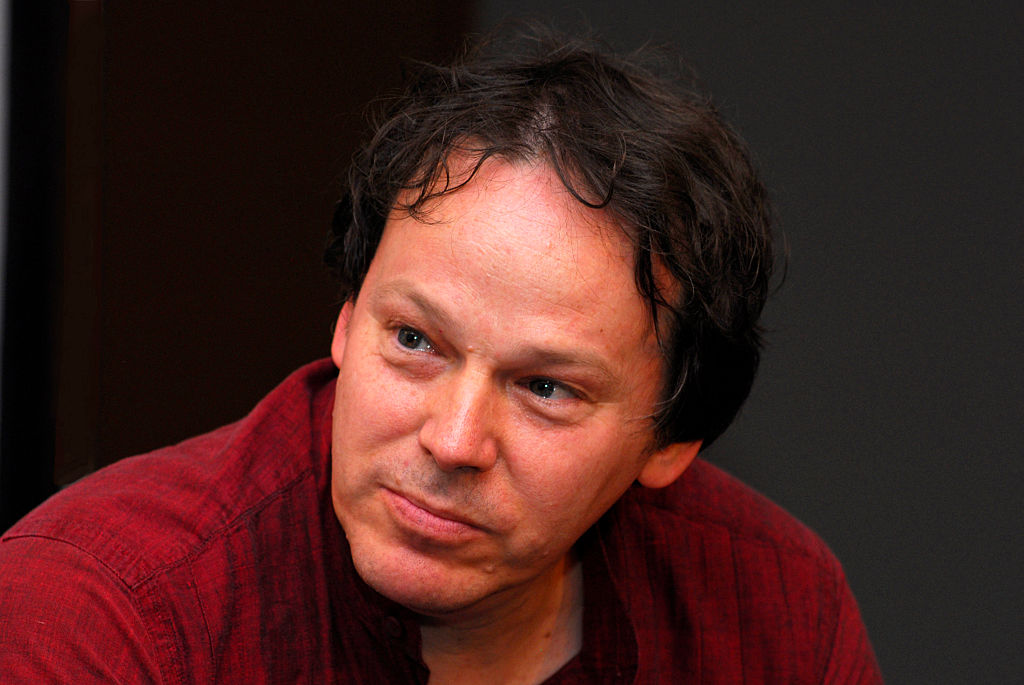
David Graeber, who died in September 2020, was a professor of anthropology at London School of Economics. (Andree / ullstein bild via Getty Images)
Origin myths the world over have a basic psychological effect: regardless of their scientific validity, they have the sly power of justifying existing states of affairs, while simultaneously contouring one’s sense of what the world might look like in the future. Modern capitalist society has built itself upon two variants of one such myth.
As one story goes, life as primitive hunter-gatherers was “nasty, brutish and short” until the invention of the state allowed us to flourish. The other story says that in a childlike state of nature, humans were happy and free, and that it was only with the advent of civilization that “they all ran headlong to their chains.”
These are two variants of the same myth because they both assume an unilinear historical trajectory, one that begins from simple egalitarian hunter-gatherer bands and ends with increasing social complexity and hierarchy. They also nurture a similar fatalistic perspective on the future: whether we go with Hobbes (the first) or Rousseau (the second), we are left with the idea that the most we can do to change our current predicament is, at best, a bit of modest political tinkering. Hierarchy and inequality are the inevitable price to pay for having truly come of age.