It’s Literally Impossible to Afford Rent on the Minimum Wage
Even modest rental housing is now out of reach for millions of full-time workers — and the pandemic has made an already bleak situation even worse.
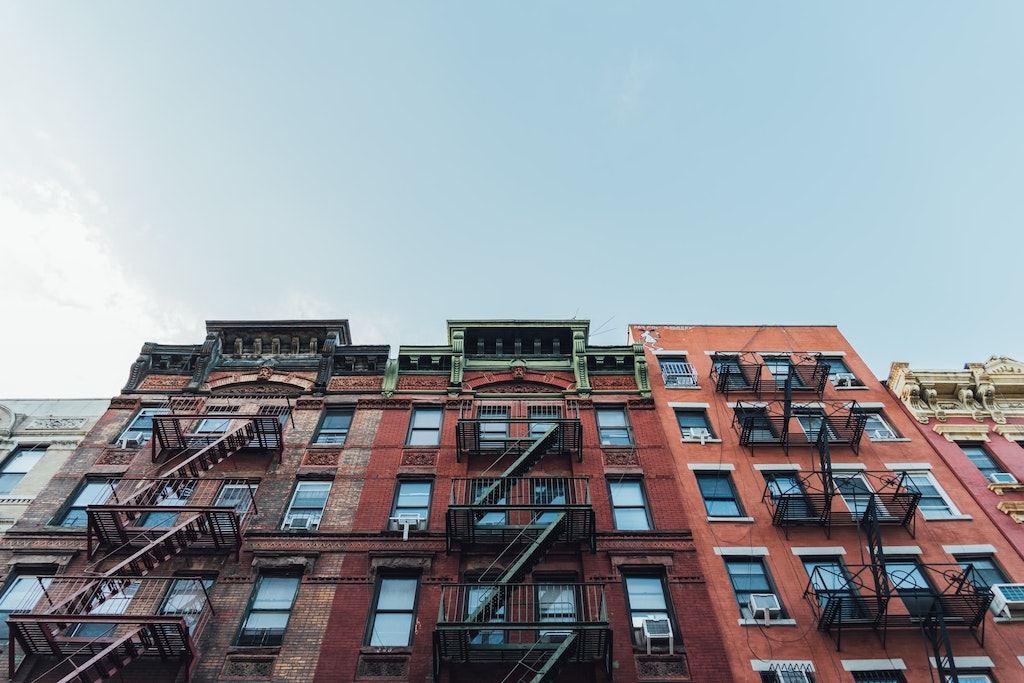
A new report estimates that in 2021, workers would have to earn an average of $24.90 an hour to rent a two-bedroom home and $20.40 an hour to pay for a one-bedroom rental. (Goh Rhy Yan / Unsplash)
What does spending the week toiling away at a full-time job get you in the way of a place to rest, relax, and spend your downtime? In the popular consciousness, the idea persists that full-time work usually comes with at least a bare minimum of comfort and even a bit of disposable income. For millions of American workers, however, even the former is often out of reach, and wages must be spent near-exclusively on life’s necessities. Chief among those is housing: usually people’s largest expense and about the most rudimentary need there is.
The answer, then, to the question of what full-time work gets you these days is bleak: As the National Low Income Housing Coalition’s new report “Out of Reach” explains, it’s now quite literally impossible for all but a very few working full-time for forty hours a week to afford even a modest one-bedroom apartment.
Using a statistic it calls the “Housing Wage,” the organization’s calculations estimate what a full-time worker has to earn in order to make rent without spending more than 30 percent of their gross monthly income on housing costs (a general standard for housing affordability used by the federal government). In 2021, it estimates, workers would have to earn an average of $24.90 an hour to rent a two-bedroom home and $20.40 an hour to pay for a one-bedroom rental — figures which have increased from $23.96 and $19.56, respectively, since pre-pandemic times a year earlier.