The Man Who Would Be Stalin
Ronald Suny has given us the best picture to date of Stalin’s path to the October Revolution. But the story of the future dictator’s early life doesn’t explain the rise of Stalinism. The key developments and choices that produced that system came after the Bolsheviks took power.
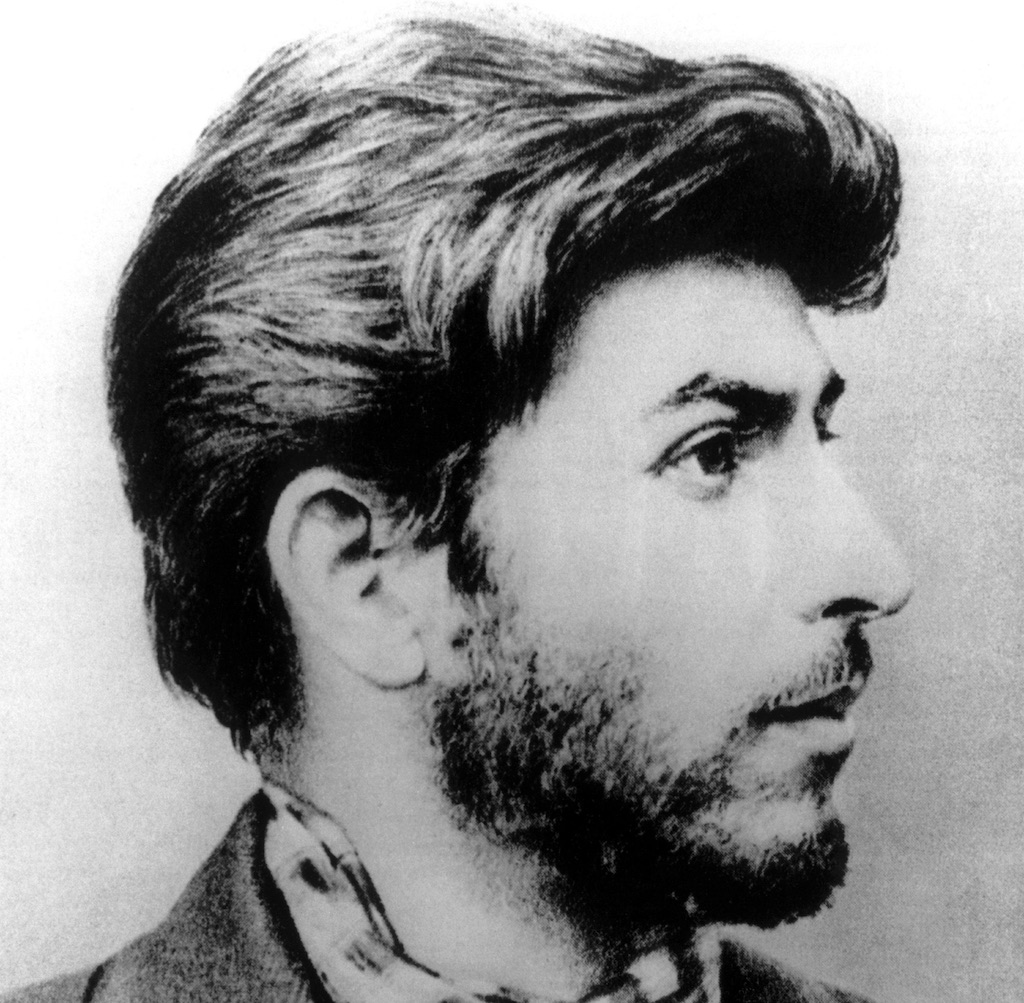
Portrait of Joseph Stalin at around age 20, circa 1900. (Keystone-France/Gamma-Keystone via Getty Images)
The work under review is in a league of its own. Ronald Suny’s scholarly study of Stalin’s life until October 1917 goes beyond biography. It is a history of the workers’ movement and of social democracy in the tsarist empire, from the turn of the century down to and including the October Revolution, with special emphasis on the Caucasus.
Suny’s intervention is on an altogether different plane when we compare it to Stephen Kotkin’s study of the same topic. Kotkin’s multivolume biography, Stalin, is an unrelieved jeremiad against socialism and Marxism. That perspective stands in the way of an objective account of the intra-Russian Social Democratic controversies that consumed much of Stalin’s life as an underground revolutionary.
Suny’s scholarship is under no such disabling handicap. His nonparty socialism proves to be a help, not a hindrance.