Bringing a Green New Deal Home
Winning a Green New Deal will require assembling a broad coalition rooted in the working class. To build that coalition and massively roll back energy usage, we can’t overlook a universal energy efficiency and conservation program for buildings, especially our homes.
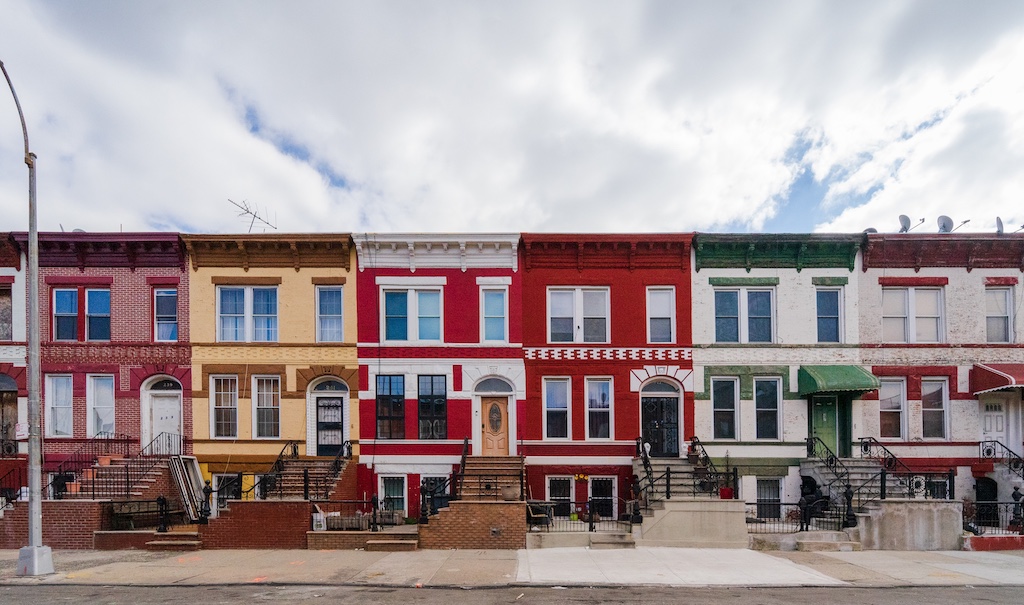
An energy efficiency and conservation program for our nation’s buildings could advance the Green New Deal’s emissions-reduction targets while bringing material improvements to ordinary working people — the people we need for the climate fights ahead. (Avi Werde/Unsplash)
When a rare winter storm disastrously cut off power and clean water for millions of Texans last month, many on the Left correctly explained the debacle as the inevitable outcome of extreme energy neoliberalism. Many postmortems, including some in mainstream media outlets, rightly identified the tragic impacts — outrageous bills, grid isolation, lack of backup power capacity, needless suffering and death — of devolving an essential public service to a largely unregulated cabal of private, profit-seeking companies. There has been plenty of deserved recrimination for the utterly feckless responses to the crisis by bad-faith political actors on the Right, from Flyin’ Ted Cruz and the wind turbine conspiracists to the mayor of Colorado City absurdly blaming everyday citizens for their supposed failure to be prepared.
These criticisms are wholly correct. Like the rest of us, Texas needs more wind turbines, not fewer; more investments and integration with the US grid, not divestment and isolation; full public ownership of the grid and energy suppliers, not more barbaric privatization experiments; and more political strategies to abolish oil and the destructive social order it created, not more subsidies to prop up our crumbling carbon infrastructure.
But as Green New Dealers debate how to most effectively parlay the political openings from the Texas crisis into meaningful policy gains in the Biden administration’s soon-to-be-released climate plan and infrastructure bill, we need to go beyond calls for scaling up investments in renewables and democratizing the grid. As we strategize for how to win these changes and curtail the power of fossil-fuel capitalists, we shouldn’t overlook an integral tool in the social and political transformation of energy: using less of it, especially in the buildings where we live and work.