2021 Will Be a Make-or-Break Year for Norway’s Left
With an election due this autumn, Norway’s once-dominant Labour Party has been out of government for almost a decade. If the Norwegian left can’t recapture the spirit that underpinned its greatest achievements, an impressive legacy of social reform will be under threat.
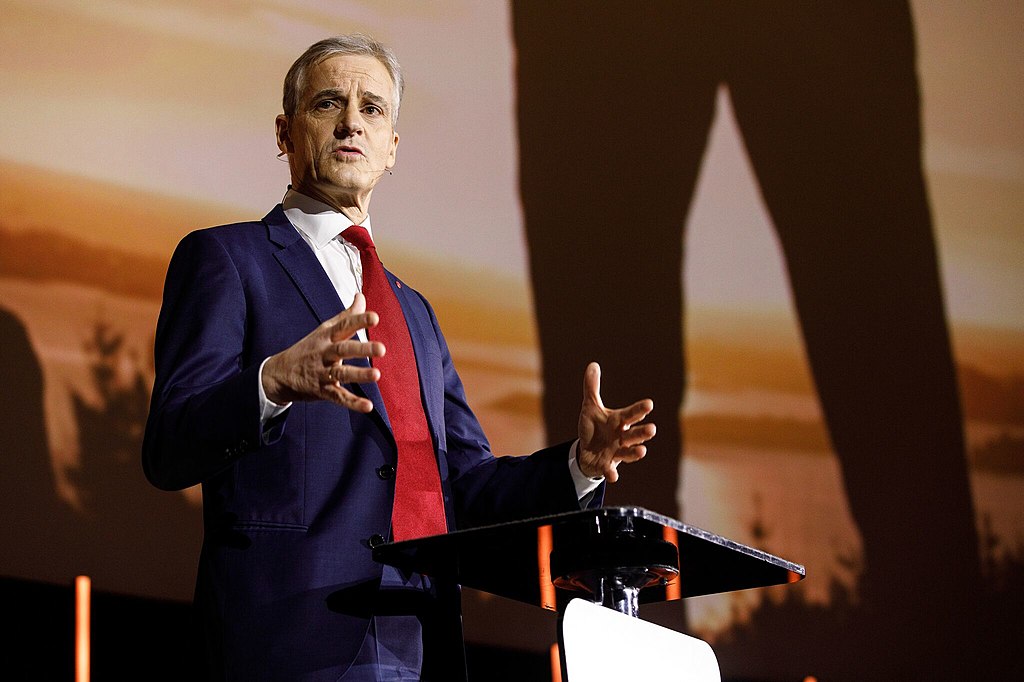
Norwegian Labour Party leader Jonas Gahr Støre. (Wikimedia Commons)
Norwegians will go to the polls in autumn 2021 to elect a government for another four-year term. Since 2013, Erna Solberg and her Conservative Party (Høyre) have led the country with support from a medley of coalition partners: first, the hard-right Progress Party from 2013 onward, with the Christian Democrats and the Liberal Party (Venstre) also joining since 2018.
Solberg is now the longest-serving prime minister Høyre has produced in its history. Despite her lengthy tenure, she has remained fairly popular with Norwegians, even though her party has recently faltered in opinion polls. Solberg is certainly better-liked when compared to the Norwegian Labour Party leader, Jonas Gahr Støre.
The main challenge to Høyre’s grip on power will come from Labour (Arbeiderpartiet or Ap for short). Labour used to be the dominant force in Norwegian politics, holding office more than a dozen times between 1945 and 2013, usually in the form of a single-party government. Now, however, its only plausible route to power lies through a coalition deal.