How Cuba Survived and Surprised in a Post-Soviet World
After the fall of the USSR, most observers expected Cuba to follow in its wake. But the Cuban system has now lasted for 30 years since the Soviet collapse. To explain its persistence, we need to drop Cold War stereotypes and look at the Cuban experience in its own right.
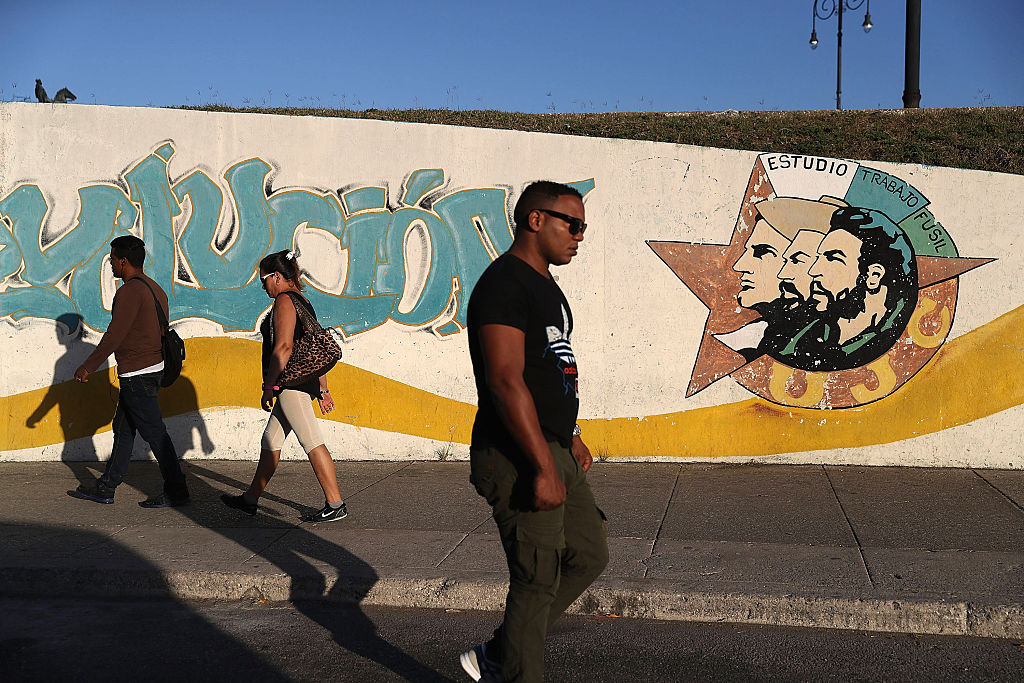
Havana, Cuba, November 30, 2016. (Joe Raedle / Getty Images)
The fall of the Soviet Union in 1991 and the consequent demise of its multilateral economic assistance programs shook what had been the socialist world. By the time the USSR voted to formally dissolve, the Council for Mutual Economic Assistance (COMECON) — the economic trading bloc that provided crucial economic assistance and preferential trade agreements to smaller Communist states — had already been dismantled.
This threw Cuba, COMECON’s only member in the Western hemisphere, into economic turmoil. Nearly overnight, the island nation found itself cut off from its primary trading partner. It lost more than four-fifths of both its import and export markets, which had supplied it with energy, food, and machinery, helping sustain the Cuban economy for over three decades, ever since the start of the US embargo in 1961.
GDP plunged by 35 percent over the space of three years. Cuban agricultural output fell by 47 percent, construction by 74 percent, and manufacturing capacity by a staggering 90 percent. The lack of fuel imports from abroad paralyzed Cuba’s industries. Lengthy blackouts and food queues became a feature of daily life.