Why the Minimum Wage Won Where Biden Couldn’t
In conservative Florida, where Trump edged out Biden last year by 51 percent to 48 percent, a ballot measure to raise the minimum wage to $15 by 2026 passed with nearly 61 percent of the vote. By appealing to Floridians' material interests across lines of race and geography, the campaign shows how left economic policies can win even in right-wing contexts.
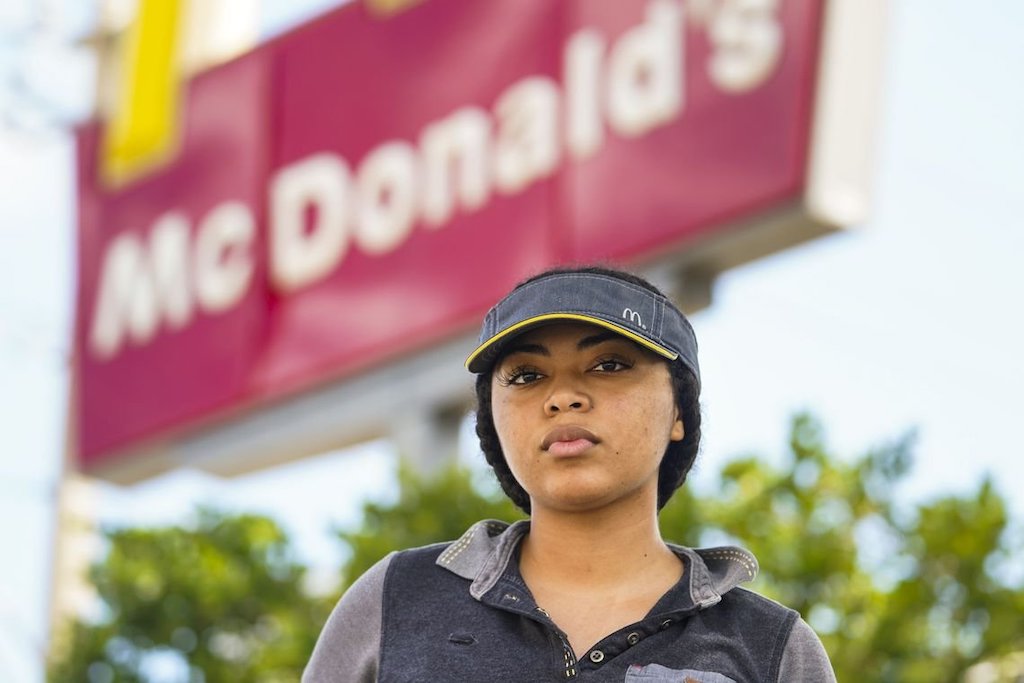
The passage of Florida’s $15 minimum wage amendment was one of the biggest victories for workers to come out of the November 2020 election. (@FightForFifteenFL / Twitter)
The Biden administration’s announcement this week that it plans to seek a federal $15 hourly minimum wage marks a decisive advance for the Fight for 15 movement, which has been agitating for a higher wage floor since 2012. During that time, with the federal government so often gridlocked or in Republican hands, the issue has played out largely in cities and states — most recently last November in Florida.
The passage of Florida’s $15 minimum wage amendment was one of the biggest victories for workers to come out of the November 2020 election. As has been widely noted, the initiative passed with 60.8 percent of the vote, despite Trump beating Biden handily in the traditionally conservative state, 51-48 percent.
The campaign’s success raises important questions for progressives: Why did big business largely stay out of the fight? What kind of tactics did supporters of the wage hike use and which were most successful? Finally, what can we learn about trends in the electorate at large by examining the victorious referendum’s results?