A Liberal “Moral Reckoning” Can’t Solve the Problems That Plague Black Americans
If we view the problems of poverty, health care, and criminal justice through a lens that filters out the political-economic underpinnings of these injustices — informed by the language of moral reckoning — we may just end up with modest reforms at best and symbolic gestures at worst, when what we need is fundamental structural change.
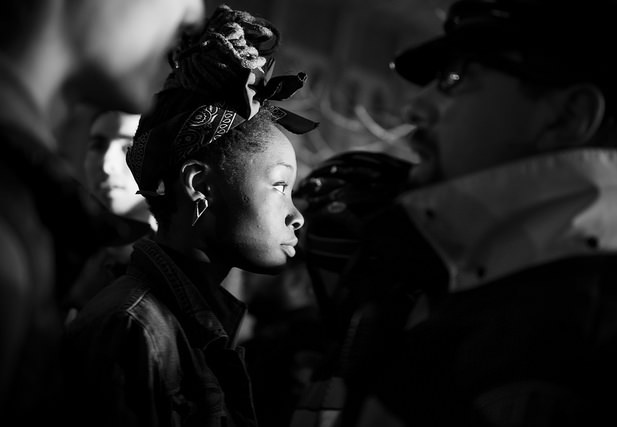
Liberals have divorced racial inequality from political economy and have consistently rejected redistributive class-based anti-poverty policies that might address the sources of economic inequality that have, indeed, impacted blacks disproportionately.
This has been a nightmarish year. COVID-19 has afflicted about forty-five million people and killed more than a million across the globe. A month after President Donald Trump finally acknowledged that we were in the throes of a pandemic, some eighteen million American workers lost their jobs. While that number has since fallen to thirteen million, economic uncertainty is the new normal.
Although a Joe Biden victory would mean that working people will surely lose less ground than under a second Trump term, they are unlikely to make any substantive gains, either — hobbled by the commitment of the Democrats to neoliberalism, not to mention Trump’s three US Supreme Court and more than two hundred federal court appointments.
There are many dissatisfying things about where we are today. But even as I can accept the view that the best we can hope for in the coming weeks is Biden-Harris’s promised reprieve from Trumpism’s animus-fueled chaos, I remain dismayed by the ubiquitous calls for a “reckoning” or a “collective healing” that have completely dominated discourse on racial inequality in the months since George Floyd’s murder. While I’m sure decent people derive comfort from such phrases, this brand of moralism masks a class politics that offers poor and working-class black and brown people symbolic rather than material rewards.