Rudolf Hilferding and the Austrian School of Anti-Capitalism
The Austrian Marxist Rudolf Hilferding (1877–1941) produced an important and influential analysis of capitalism, and he played an active role in Austrian and German politics before falling victim to Nazism. He still has a lot to teach us about the way modern capitalism works.
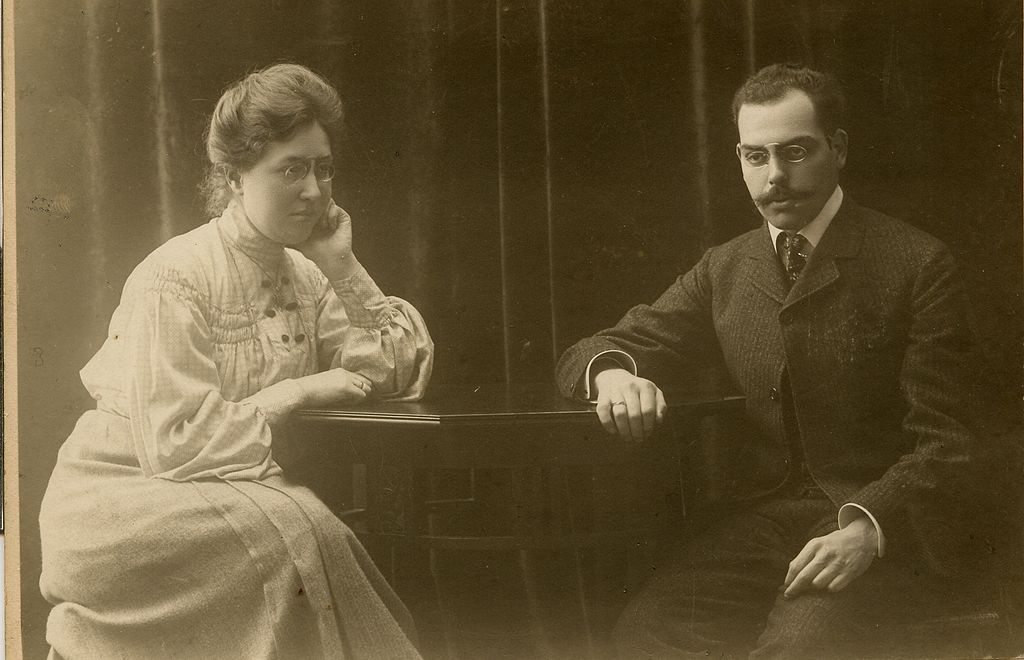
Rudolf and Margarete Hilferding. (Wikimedia Commons)
Austria has long been synonymous with free-market economics. Economists like Ludwig von Mises and Friedrich Hayek, whose ideas were forged in Central Europe during the early twentieth century, have become talismanic figures for latter-day proponents of untrammelled capitalism. The term “Austrian School” now encompasses a whole set of free-market ideologues, many of whom have no connection to the country itself.
Yet Austria was also the home of an alternative tradition of economic thought whose exponents locked horns with celebrated “Austrians” like von Mises and Hayek. One of its luminaries was the Marxist thinker Rudolf Hilferding, who combined his intellectual work with a leadership role in the Social Democratic movements of Austria and Germany. Hilferding also served as Germany’s Finance Minister during the Weimar Republic, but ultimately fell victim to Nazism in 1941.
His thought contains many valuable insights into the way the modern capitalist system works. Men like Hilferding, who formed an alternative “Austrian School” in their own time, can offer as much to the economics of socialism as their fellow Austrians did to the economics of capitalism.