How Red Vienna Revolutionized Sigmund Freud
Sigmund Freud often regretted the fact that most of his patients were drawn from the upper classes. But when socialists turned Vienna “red” after World War I, neurotics both rich and poor gained access to free treatment and new experimental methods.
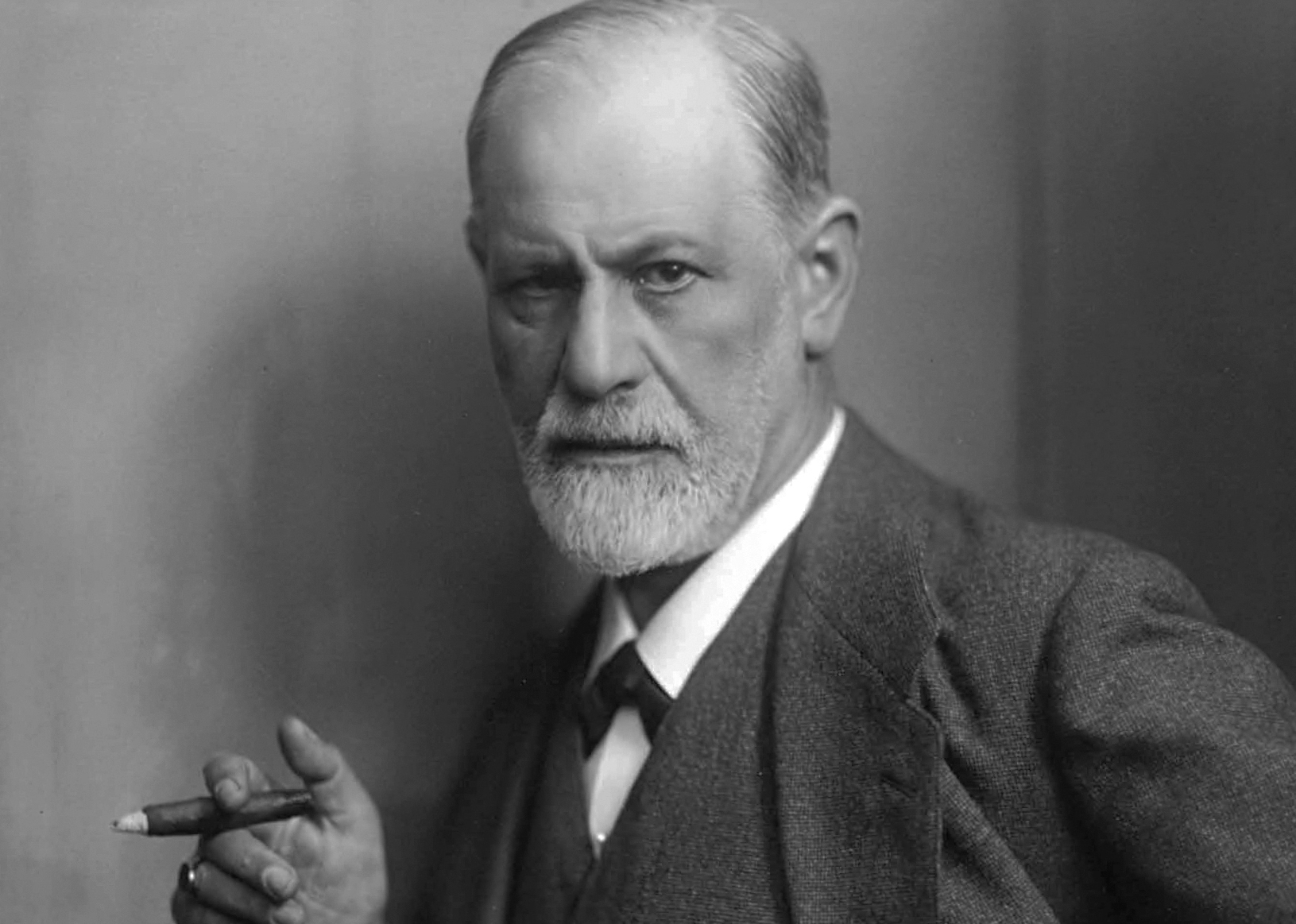
Sigmund Freud often regretted the fact that most of his patients were drawn from the upper classes.
In September 1918, in the dying days of the Great War, Sigmund Freud laid out a new mission for the psychoanalytic movement. Speaking to the first psychoanalytic congress since the outbreak of the war, Freud acknowledged the impediments that restricted their therapeutic work. Limited by the “necessities of our existence” to treating the “well-to-do-classes,” “at present,” psychoanalysts could “do nothing for the wider social strata, who suffer extremely seriously from neuroses.” Yet such limitations had to be overcome.
Freud argued that the neuroses were just as much a threat to the nation’s health as tuberculosis — and could equally little be left “to the impotent care of individual members of the community.” Turning his gaze to the imminent postwar situation, Freud confidently predicted that the “conscience of society will awake” to the right of the “poor man” to treatment for his mind. When it did, new institutions, staffed by analytically trained physicians, would be founded, offering treatment to the broad masses free of charge. As distant and “fantastic” as this prospect appeared amid the devastation of the war, Freud insisted that “sometime or other . . . it must come to this.”
Over the decades before World War I, analytic therapy and bourgeois privilege had gone hand in hand — crystallizing an image, indeed one that still persists today, of psychoanalysis as the preserve of the upper and upper-middle classes. In 1895, Freud remarked that his patients belonged to “an educated and literate social class,” adding a decade later that analytic therapy was ideally suited to “valuable” individuals possessing a “certain level of education and a fairly reliable character.”