How to Be a Socialist in the Twenty-First Century
Erik Olin Wright devoted his life to figuring out ways the world could finally leave capitalism behind. His final book holds crucial lessons about which strategies belong to the past and which ones can build the bridge to a socialist future.
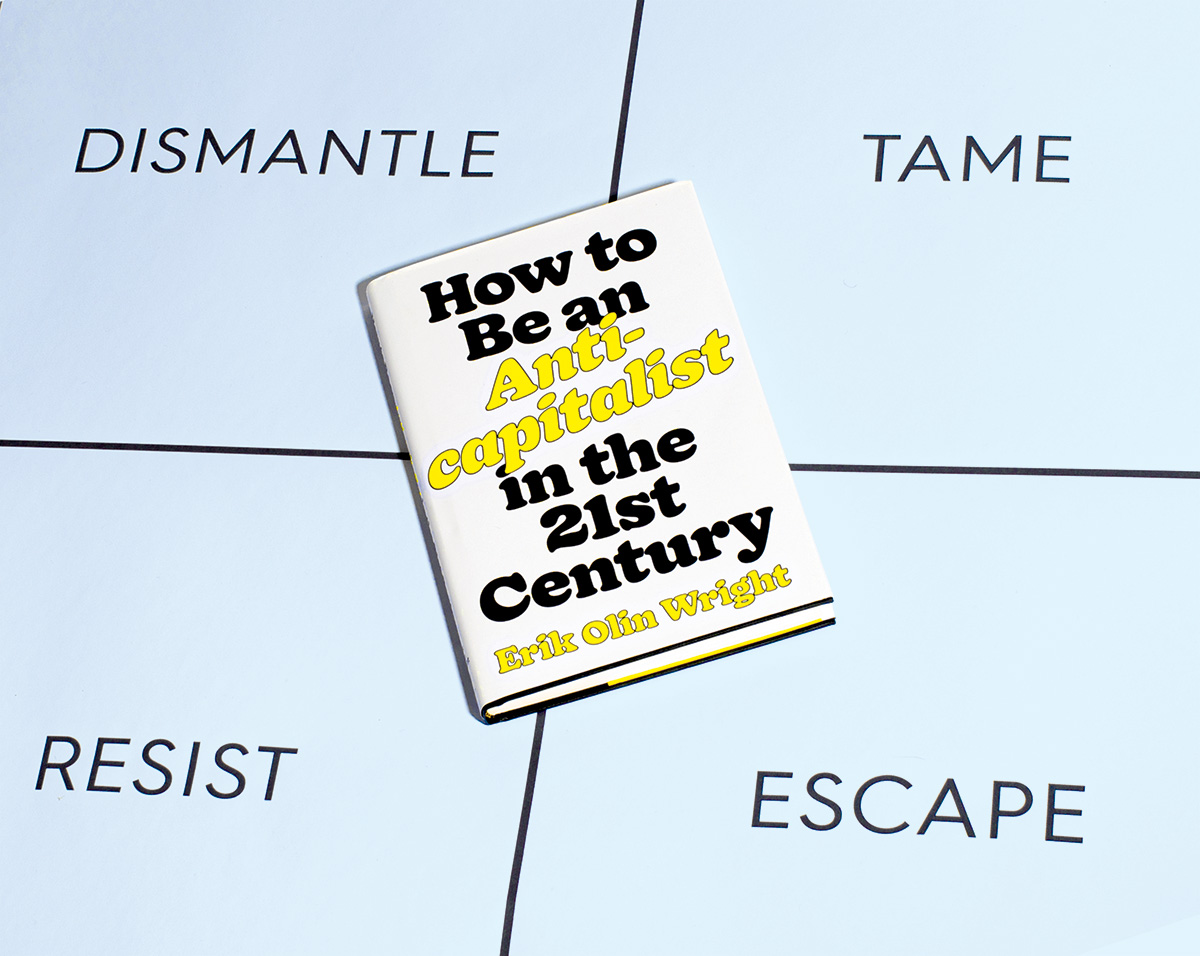
Erik Olin Wright was this era’s greatest class theorist, whose work combined clarity with a deep moral commitment to human emancipation. His posthumous book How to Be an Anticapitalist in the Twenty-First Century is the perfect capstone of a career dedicated to deepening Marxist theory and socialist politics.
In a brief compass, Wright makes a case for both the injustice of capitalism and the basic principles that might guide the pursuit of a more humane social order. He persuasively argues that even though many of the institutional features of contemporary capitalism are very different from those that oversaw the rise of socialism a century ago, the core of the system — which motivated the search for a more just arrangement — remains much the same, and hence, the case for transcending capitalism remains compelling.
But how might a more free society be achieved? Wright observes that there have been a number of strategies embraced by the Left. But they can be broadly amalgamated into two — a revolutionary strategy, which seeks to replace capitalism in a decisive break, and a more gradualist one. The bulk of the book is devoted to unpacking these, and then to recommending how their lessons might be used to transcend capitalism in our time.