How to Clean Up the Welfare State
Public programs in the United States are narrow, stingy, and complicated, making them politically vulnerable. A new paper from Matt Bruenig’s People’s Policy Project instructs us how to broaden, simplify, and improve them — to create a welfare state for which Americans will be willing to fight.
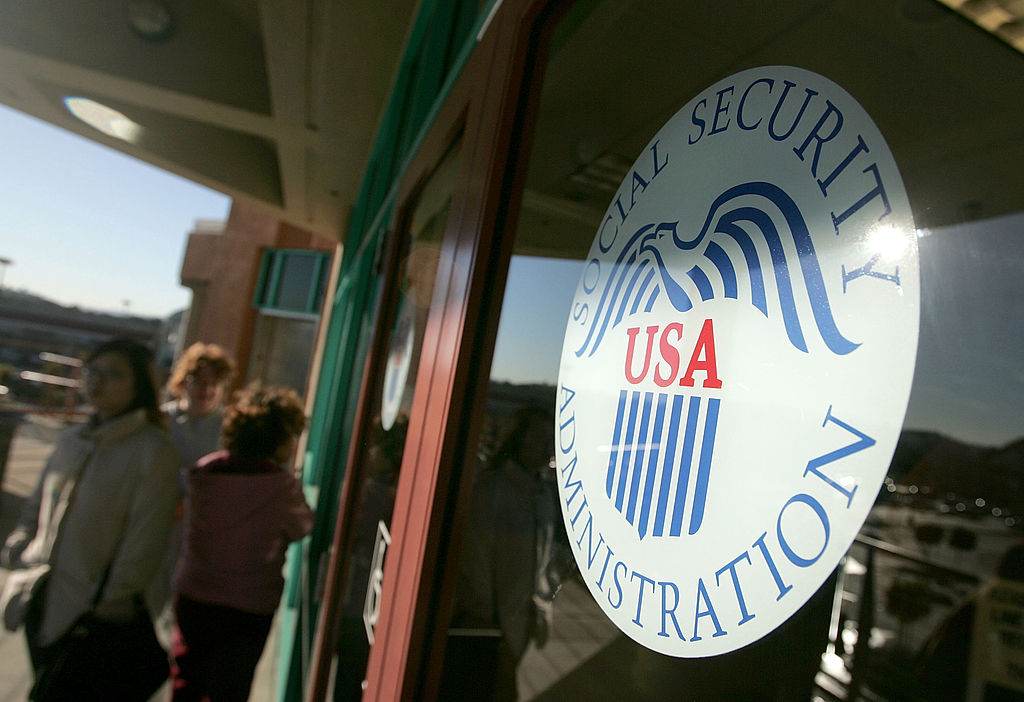
People line up outside of the Social Security Administration office February 2, 2005 in San Francisco, California.Justin Sullivan / Getty
The American welfare state is under-loved. Our public assistance programs are vitally important to millions of people: each year poverty is two-thirds of what it would be if they weren’t in effect. But it isn’t the norm for politicians or media figures to treat the welfare state as sacrosanct, extolling its virtues and vowing to protect and expand it. Our leaders feel relatively free to trash public programs as failures and even promise to cut them.
Part of that comes down to the caliber of our politicians and media figures themselves, few of whom are genuine and reliable defenders of the working class. Replacing them with class allies is a heavy lift and a work in progress. In the meantime, it’s also true that an improved welfare state can make our public programs harder to ignore or vilify. If average people themselves harbor fond feelings about our welfare state, the media and politicians will need to adjust.
Unlike the welfare states of some social-democratic countries, ours doesn’t inspire a collective sense of pride and protectiveness. One reason is that it doesn’t actually scan as a single, cohesive welfare state at all. It’s a patchwork of different programs, some of which are widely liked and others of which are not.