When W. E. B. Du Bois Went to the Masses
In 1952, W. E. B. Du Bois began teaching at the Jefferson School of Social Science, an institution of the Communist Party devoted to worker education. The school gave him the opportunity to combine Marxist theory with pan-Africanism and support global anti-racist and anti-colonial struggles.
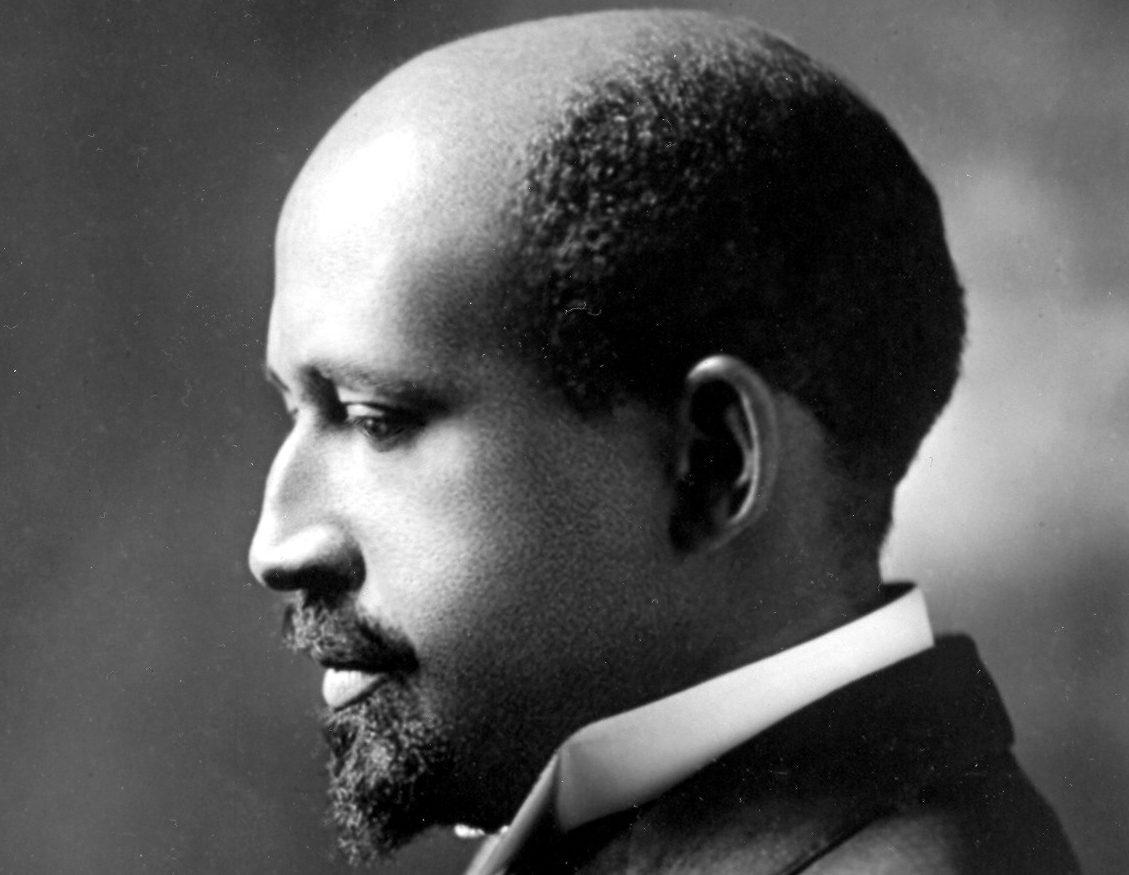
W. E. B. Du Bois photographed by Addison Scurlock circa 1911. National Portrait Gallery
In May 1954, W. E. B. Du Bois wrote a memo in support of his employer, the Jefferson School of Social Science. Located in New York City, the Jefferson School was devoted to Marxist education and was affiliated with the Communist Party of the United States (CPUSA), and thus became a target of American intelligence agencies during the Cold War.
Du Bois noted that as a lifelong educator, no institution, including the Jefferson School, had ever dictated what he taught. And he pointed out that while at Jefferson School, his lectures weren’t any different than the lectures given at the many other impressive institutions he had taught at to that point. He also did not hide his interest in the “philosophy of Karl Marx” or that he was a “Socialist.” Du Bois boldly stated that he watched the development of the Soviet Union and China with the “greatest sympathy and interest.” Though affiliation with communists was an invitation for legal harassment by federal authorities, Du Bois remained committed to Marxist theory and practice. Teaching at the Jefferson School provided him the opportunity to combine Marxist theory with pan-Africanism and articulate a liberationist ethos for global anti-racist and anti-colonial struggles.
Workers’ education was a central goal for unions and radical organizations, including the CPUSA, starting in the 1910s. Workers’ schools were often created to educate the rank and file to heighten class consciousness and swell the ranks of the cadre. Unlike bourgeois educational institutions that emphasized class mobility out of the working class, workers’ schools sought to foster working-class solidarity. Party schools after World War II generally opened their doors to the public to widen their reach. One unfortunate consequence of this open policy was that many of the school’s students, especially at the Jefferson School, were FBI agents, though the school did its best to bar “known enemies of the working class” from attending. Du Bois shared the Jefferson School mission in imparting Marxist theory to a larger audience and to mobilize into the socialist movement.