The Legacy of Black Reconstruction
W. E. B. Du Bois's Black Reconstruction in America thrust African Americans into the role of historical actors and showed that the black freedom struggle has always been one for radical democracy.
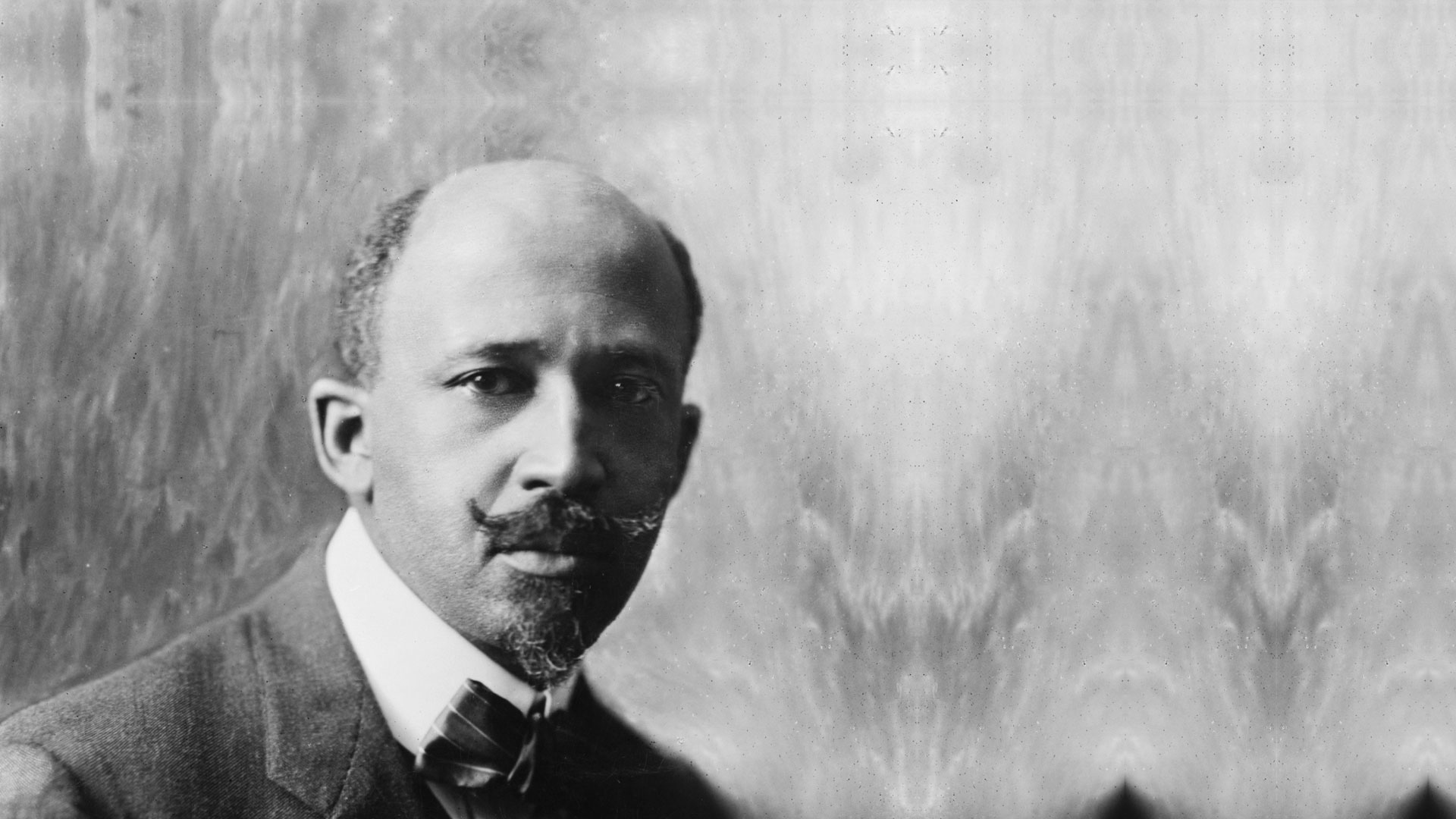
W. E. B. Du Bois.
On February 23, 1968, less than three months before his assassination, Martin Luther King Jr rose to speak at New York’s Carnegie Hall about the life and legacy of W. E. B. Du Bois. His address — delivered as part of a celebration of Du Bois on what would have been his one-hundredth birthday — focused on the contributions of this “intellectual giant” and his efforts to “teach us something about our tasks of emancipation.”
Among the elements of Du Bois’s life that King felt merited special attention was the book Black Reconstruction in America, which Du Bois had written in 1935 at the height of the Great Depression and, by 1968, was slowly gaining more attention and influence among radical historians. Black Reconstruction mattered for King because it was Du Bois’s attempt to “demolish the lie about Negroes in their most important and creative period of history.” According to the dominant telling, depicted in popular works like Birth of a Nation and scholarly works by white historians, Reconstruction had been an ignominious failure — proof that blacks couldn’t be trusted to participate in American democracy.
King knew the importance of historical narrative in giving people something to believe in. “The truths he revealed are not yet the property of all Americans,” King argued, “but they have been recorded and arm us for our contemporary battles.”