No, Finland Is Not a “Capitalist Paradise”
In Finland, the government owns nearly one-third of the nation's wealth, and 90 percent of workers are covered by a union contract. That may not be socialism, but it's also not a “capitalist paradise,” as the New York Times ridiculously claimed over the weekend.
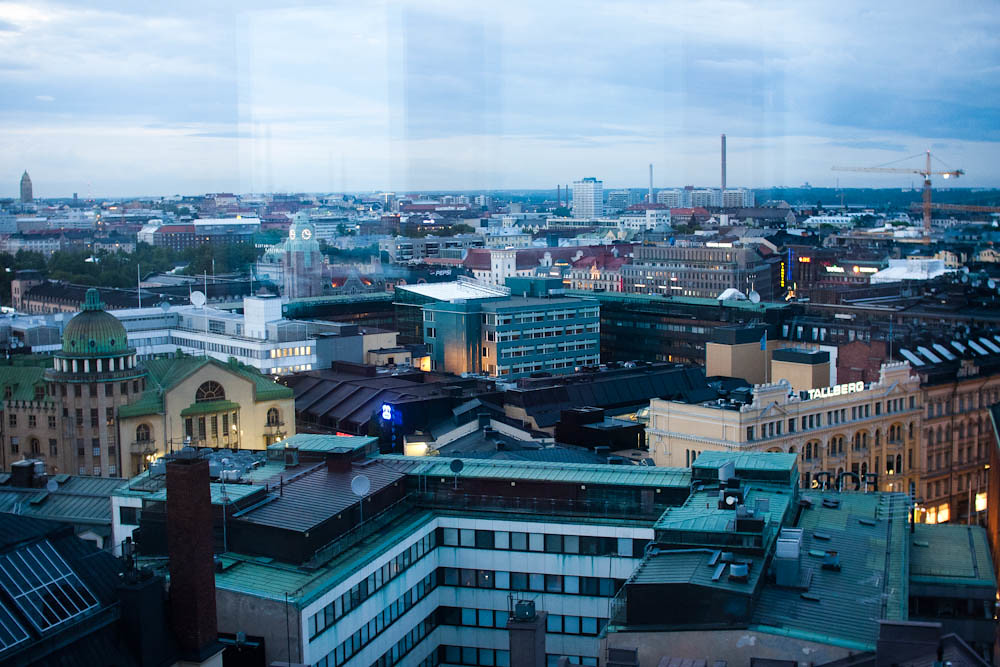
Helsinki, Finland around midnight on June 20, 2011. Jennifer Woodard Maderazo / Flickr
Over the weekend, Anu Partanen and Trevor Corson published a piece in the New York Times that argues Finland is actually a “capitalist paradise.” The article is a very familiar one to those who keep track of this debate. It notes that Finland has high taxes and a generous welfare state, but then says that the country is otherwise quite capitalist and perhaps even more capitalist than America.
Unlike most people who write this sort of piece, the authors here are not being malicious. Partanen is trying to open Americans up to the glories of a comprehensive welfare state and thinks that downplaying the other socialized aspects of the Finnish economy is a good way to do that. She might very well be right about her rhetorical strategy, but ultimately it is simply not true that Finland’s economic model is just ordinary capitalism with generous social benefits.
For starters, the Finnish government owns nearly one-third of the nation’s wealth. For the United States to match that amount, the US government would need to move about $35 trillion of assets into public ownership.