Metro DC Bus Drivers Are Striking Against Privatization
Workers at the privatized Cinder Bed Road bus garage near Washington, DC are on strike as part of a broader labor upsurge in the nation’s capital. They’re fighting for better wages and benefits for themselves — and for better public services for all of us.
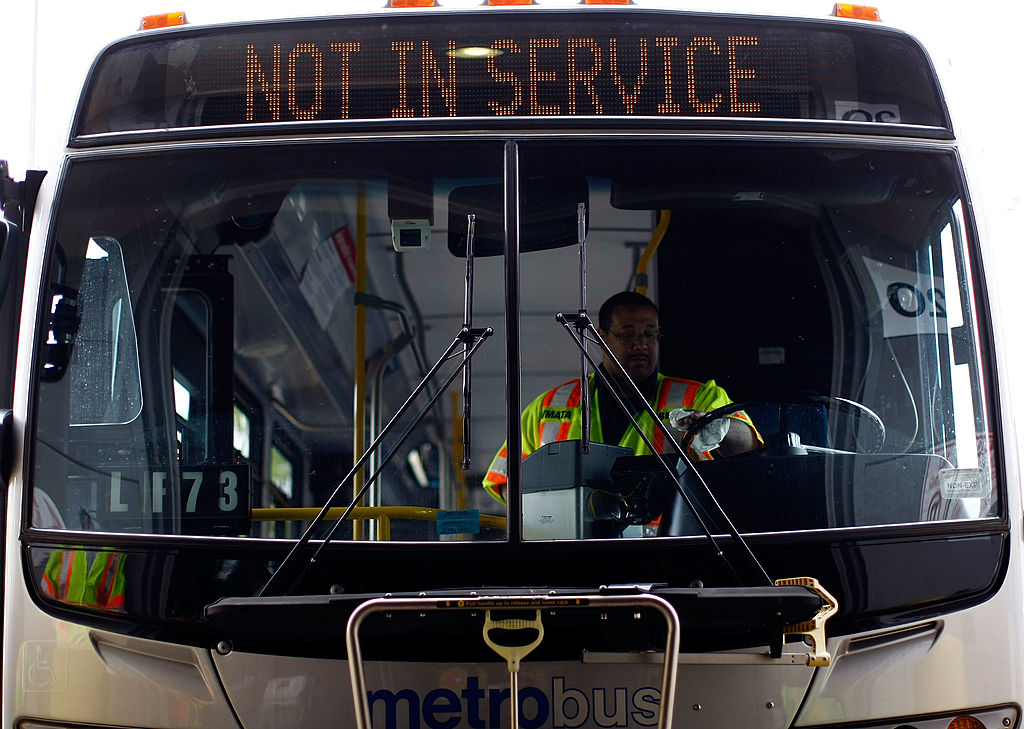
An employee of the Washington Metro Area Transit Authority cleans the inside of a Metro Bus on April 30, 2009 in Hyattsville, Maryland.Win McNamee / Getty
Last month, after pledging his support to the striking Chicago Teachers’ Union, Bernie Sanders turned his attention to another ongoing walkout: the Cinder Bed Road garage strike in Northern Virginia. “With a strong union, workers get the basic protections they deserve,” Sanders wrote. “Unions like ATU [Amalgamated Transit Union] are defending workers every day against the expansion of corporate greed within our transit systems. I support @ATULocal689 in its fight for justice.”
While Chicago teachers have since settled their strike, the Cinder Bed Road workers are still out on the picket line. Their action has broader significance, not only as part of the uptick in strike activity across the country, but also as part of a regional upsurge in labor militancy among transit workers fighting privatization and outsourcing.
The Cinder Bed Road garage strike is the first at the Washington Metro Area Transit Authority (WMATA) since 1978. Employees at the facility work in the first privatized bus garage in the metro DC area. The company, French outsourcing contractor Transdev, is known for a business model that relies on crushing labor to reduce costs in public transit systems. The company notoriously used scab labor in 2016 to attempt to break a twelve-day strike on the Luas, the light rail service in Dublin, Ireland, which it privately operates.