Walling Off the Ivory Tower
- Loren Balhorn
The United States is home to some of the world’s leading universities, research institutes, and academic conferences. But non-US researchers are increasingly excluded from the centers of scholarly exchange — all because they can’t get a visa.
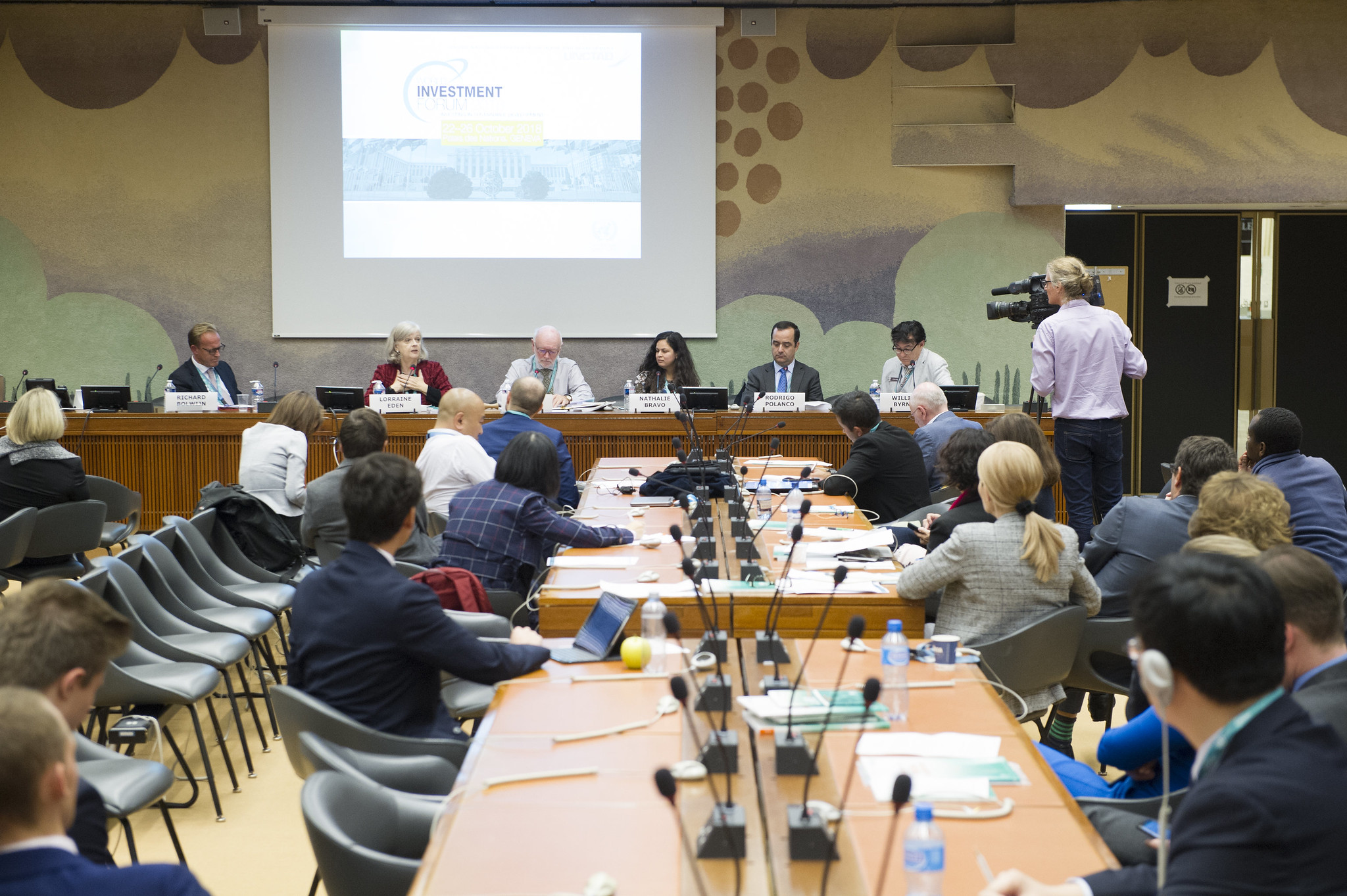
A multi-disciplinary academic conference during World Investment Forum 2018. (Violaine Martin / flickr)
Last May, I was supposed to give a presentation on the role of popular media in Kurdistan at a gathering of the International Communication Association, or ICA. I’d been researching the topic for years and was excited to share my findings with a large international academic audience — but alas, I never got the chance. After a torturous, almost surreal vetting process that left me wondering whether I was really applying for a visa to a country that describes itself as “the land of the free,” US immigration authorities denied my visa and refused to let me enter the country at all.
The country I call home, the Federal Republic of Germany, welcomes American tourists for ninety days visa-free, no questions asked. Americans are encouraged to visit, travel, and experience the culture; if they really like it here, they can apply for a language school visa and extend their stay for another year or two. By the time that runs out, they can usually acquire a work visa without leaving the country or undergoing much scrutiny. I had heard that the United States was a bit stricter, but, given my German passport, I hoped that a brief trip to the country to speak at an established international conference wouldn’t be a problem.
Strike One
The scene is early March 2019, and the sixty-ninth annual ICA conference is three months away. Just to be safe, I apply online for my ESTA — the travel permit the US government only grants to citizens of certain allied, “First World” nations — far in advance. As I fill out the questionnaire, the Americans want to know what countries I’ve visited in the last few years. In my case, that list includes Iraq, Iran, and Syria, because the topic of my dissertation — the Kurdish media landscape — requires that I visit the region and speak with local protagonists.