“Poor Whites Have Been Written out of History for a Very Political Reason”
From the antebellum period to today, Southern white elites are terrified of poor whites and black workers joining hands — because they know it's an existential threat to their power.
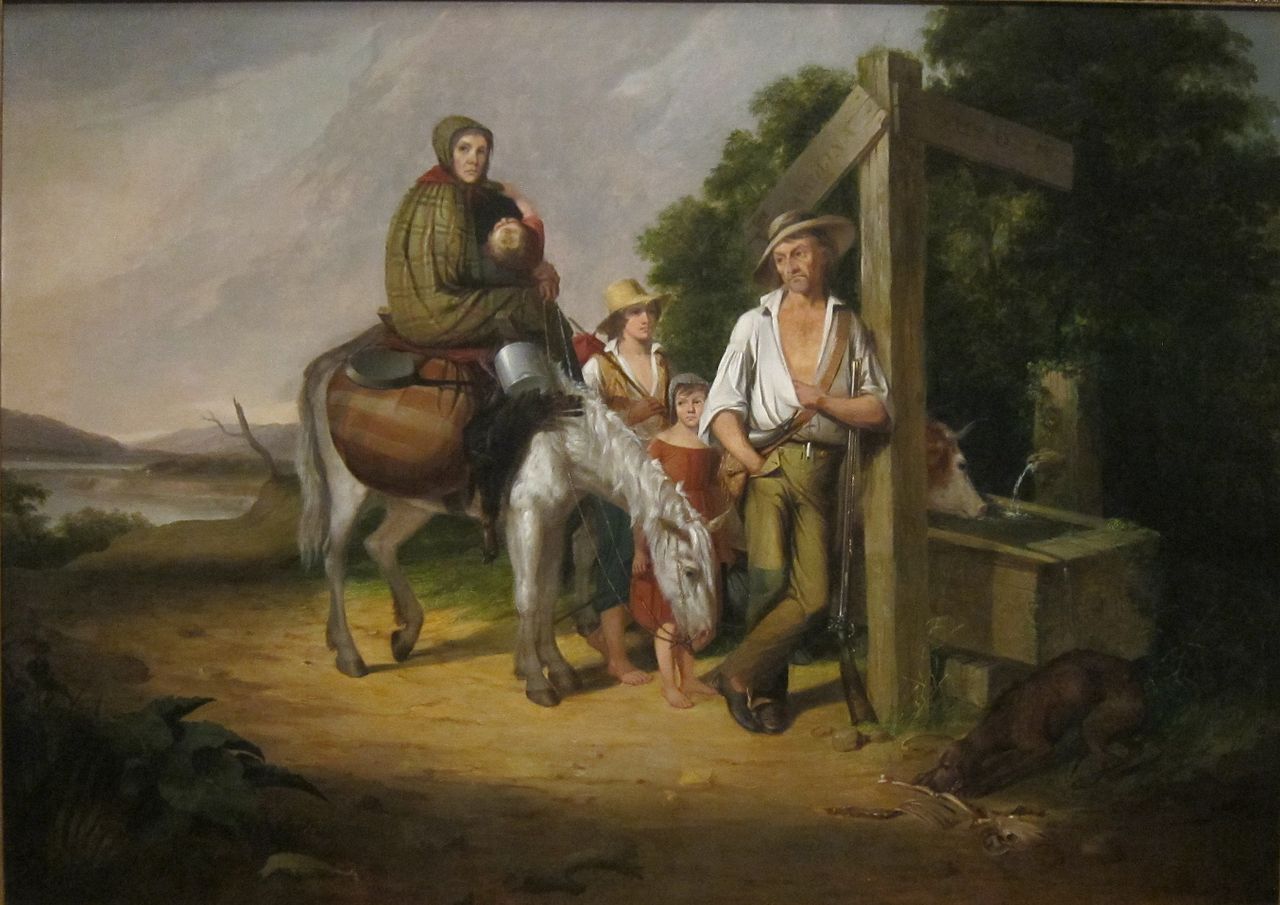
“North Carolina Emigrants: Poor White Folks” by James Henry Beard, 1845.Cincinnati Art Museum / Wikimedia
The history of the American South cannot escape the specter of slavery, white supremacy, and severe class divisions. The confluence of these three themes forms the heart of Keri Leigh Merritt’s Masterless Men: Poor Whites and Slavery in the Antebellum South.
Merritt’s book stands in the tradition of W. E. B. Du Bois, Manning Marable, and numerous others who’ve tied together US history and a keen understanding of political economy. The enslavement of millions of Africans warped the South’s economy, politics, and culture — including in ways that often hurt poor white Southerners. Poor whites were seen as a threat to the ruling planter class in the South, and Merritt makes clear that this relationship — heavily influenced, by the potential unity between enslaved Africans and poor whites — altered the political economy of the region. The lessons Merritt writes about in Masterless Men still hold up today, as left-wing and progressive forces across the South continue to press for a multiracial fight against what Martin Luther King, Jr called the “triple evils” of white supremacy, capitalism, and imperialism.
Robert Greene II
Early in your introduction, you state that the central goal of Masterless Men is “situating poor white Southerners into America’s broader political economy.” Why is this such an important thread in US history?
Keri Leigh Merritt