Decriminalize the Border? Obviously. But Then What?
In the recent Democratic debate, Julián Castro raised the idea of ending the criminalization of crossing the border. It’s a good idea: prosecuting border crossings is stupid, cruel, and has a sordid, racist history. Let’s do it — then go much further.
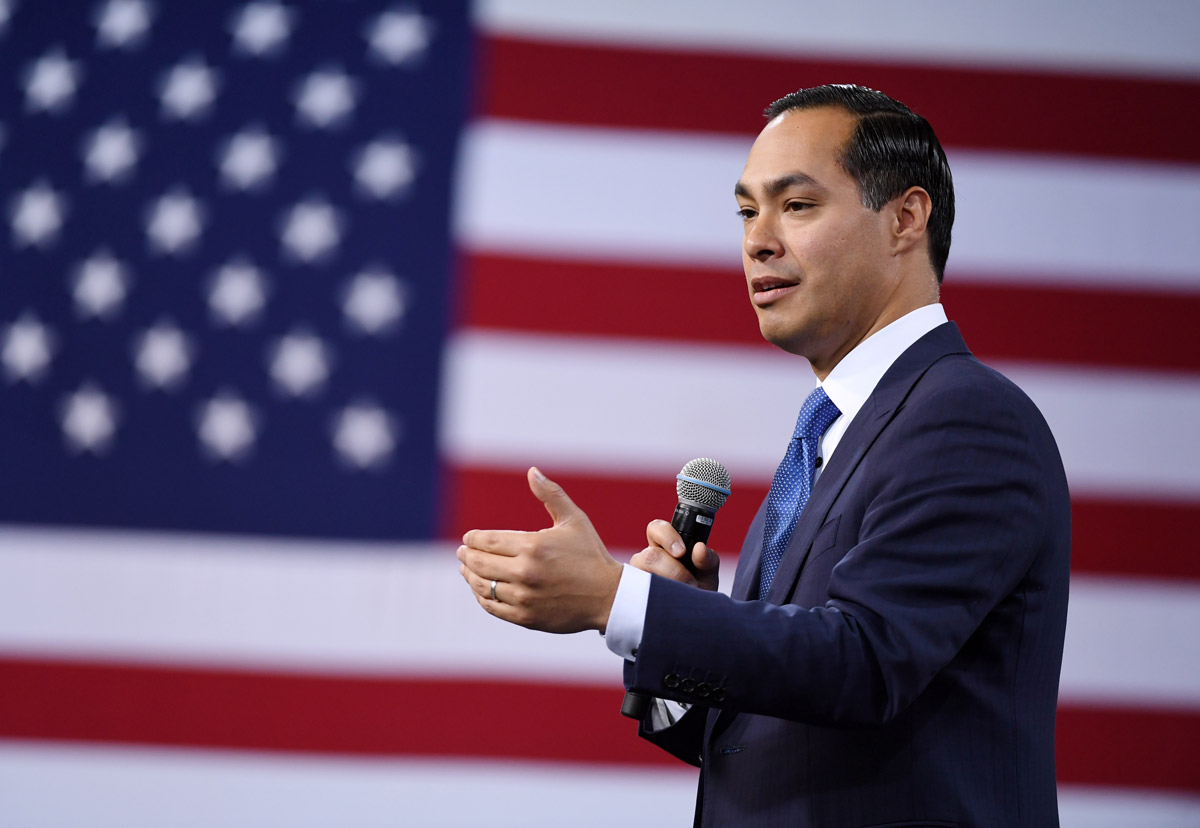
Julián Castro speaks at the National Forum on Wages and Working People: Creating an Economy That Works for All at Enclave on April 27, 2019 in Las Vegas, Nevada. (Ethan Miller / Getty Images)
Julián Castro did us all a favor. During his limited time on the debate stage, he challenged fellow Texan Beto O’Rourke and the rest of his rivals to support repealing the law that makes crossing the border between official ports of entry a crime.
The press has oversold what this policy would actually do. Alisha Gupta in the New York Times described it as “decriminalizing illegal immigration,” making it sound something like open borders. In Vox, immigration journalist Dara Lind dubbed it “the most radical immigration idea” of the 2020 primary and “the policy equivalent of the ‘no human is illegal’ slogan.”
But decriminalization is hardly radical. Although it would remove the threat of criminal prosecution, its effects on the detention and removal system would be narrow and indirect. (Moreover, Castro’s ideas to eliminate the three- and ten-year bars on admission for the undocumented and to split up Immigration and Customs Enforcement (ICE) would probably be more “radical” changes than decriminalization.)