Without History We Are Dust
Across Europe, a rising far right is on the offensive against LGBT people.
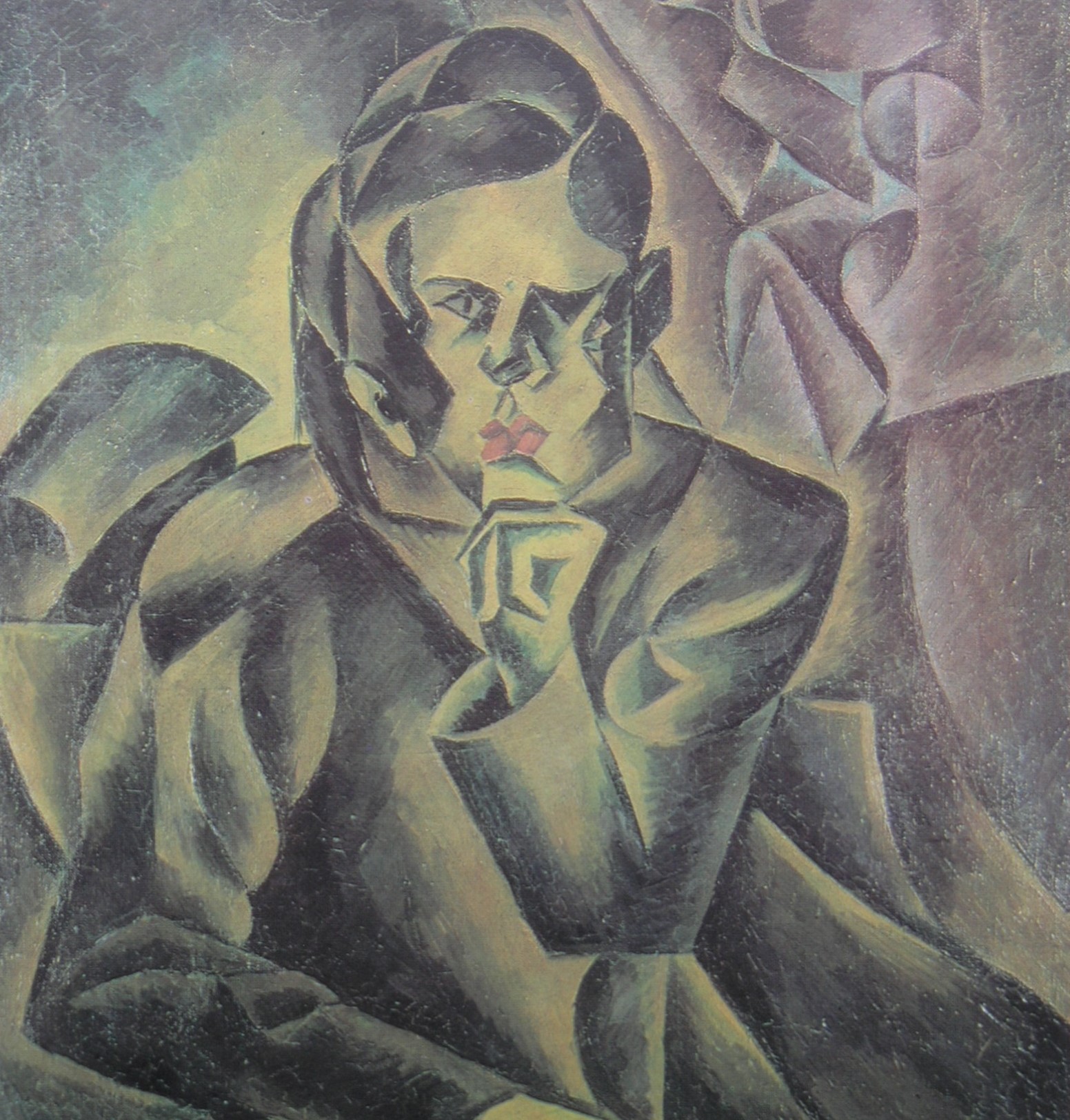
Portrait of Czech painter Jana Zrzavého, 1912, by Bohumil Kubista.Mahulena Nešlehová: Bohumil Kubišta, nakladatelství Odeon, Praha 1984
Historians Anna Hájková (University of Warwick), Jan Seidl (Masaryk University Brno), and Ladislav Zikmund Lender (Brno University of Technology) are board members of the Society for Queer Memory in the Czech Republic, a nonprofit organization that documents history, organizes popular events, and offers university courses on queer history. Established in 2013, the Society for Queer Memory is a unique institution due to its recognition of history as a political instrument in documenting past lives, as well as its openness to lesbian, gay, and trans historical experiences.
In the atmosphere of rising populism and backlash against gender studies across Central and Eastern Europe, activist research on non-heteronormative history has gained a markedly political dimension. The Society’s work has faced resistance but is welcomed in the small but vocal Czech left-wing scene. Previously, only a few Czech researchers bothered to address the history of homosexuality. Overall, academic historians tended to view gender and queer history with skepticism if not open derision. These trends are not specific to Eastern Europe alone: the extreme right around the world calls for abolishing gender and queer studies from the universities. As this interview makes clear, queer history offers a constructive, useful vantage point from which to observe — and fight — the drift to the Right.
Jaroslav Fiala, editor-in-chief of the Czech progressive daily Alarm, sat down with the three historians to talk about a liberation history, neoliberal capitalism, and the memory of LGBT people that would otherwise be overlooked.