We Can Have Beautiful Public Housing
From Vienna to Chile, the success of social housing for the working and middle classes shows how beautiful homes can coexist with urban housing for all.
Savonnerie Heymans in Brussels. Filip Dujardin / Archdaily.com.
American culture is saturated with the idea that public housing is inevitably and uniformly grim — not so much a place to live as a place to lay your head while you plot your escape, or to simply resign yourself to paralyzing poverty and social invisibility forever.
The impression of public housing as dull, dilapidated, and dangerous has always worked in favor of those who would rather there be no public housing at all. Private real-estate developers, landlords, banks, and assorted wealthy people who don’t like paying taxes benefit enormously from our pessimism and lack of imagination. It galls and frightens them that we might someday start to view public housing not as emergency aid for the most destitute, but as an ambitious long-term solution and preferable alternative to the atomization, insecurity, and relentless exploitation of the private housing market — that is, that we might build public housing so attractive that people wouldn’t want to take out mortgages or pay market-rate rent anymore.
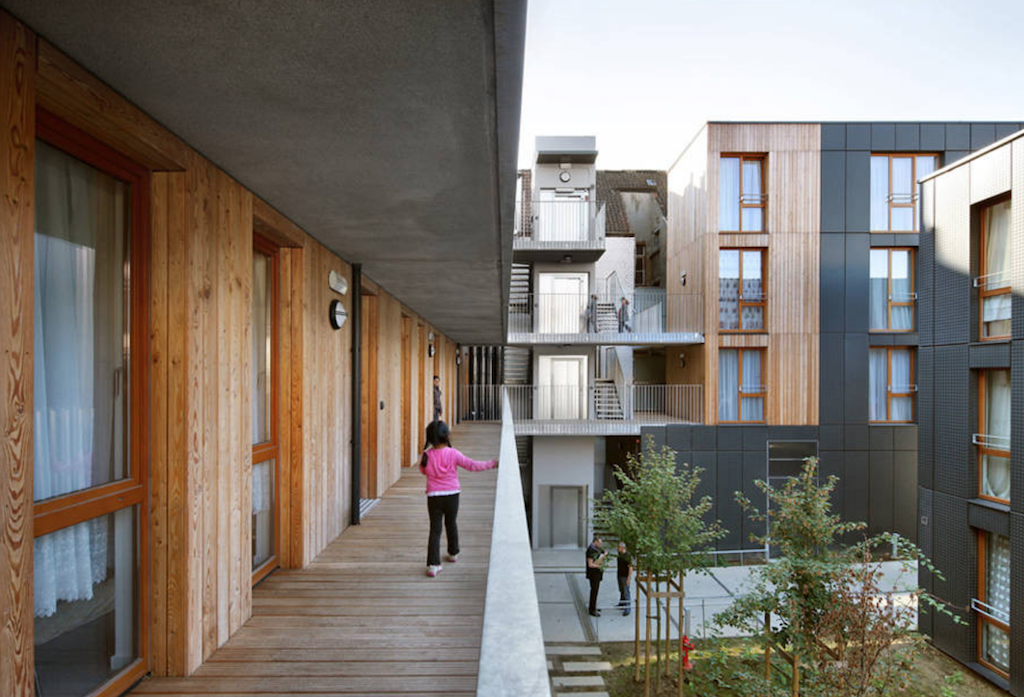
So they would rather we didn’t find out about Red Vienna, or Le Lorrain in Brussels, or Sa Pobla in Mallorca, or even the heyday of British council housing. These projects past and present demonstrate that social housing can be vibrant, safe and beautiful, all while being affordable and reliable for ordinary working people.