Which Side Are They On?
A titanic struggle is brewing in California between Silicon Valley capitalists and workers. Democratic Party elites will have to pick a side.
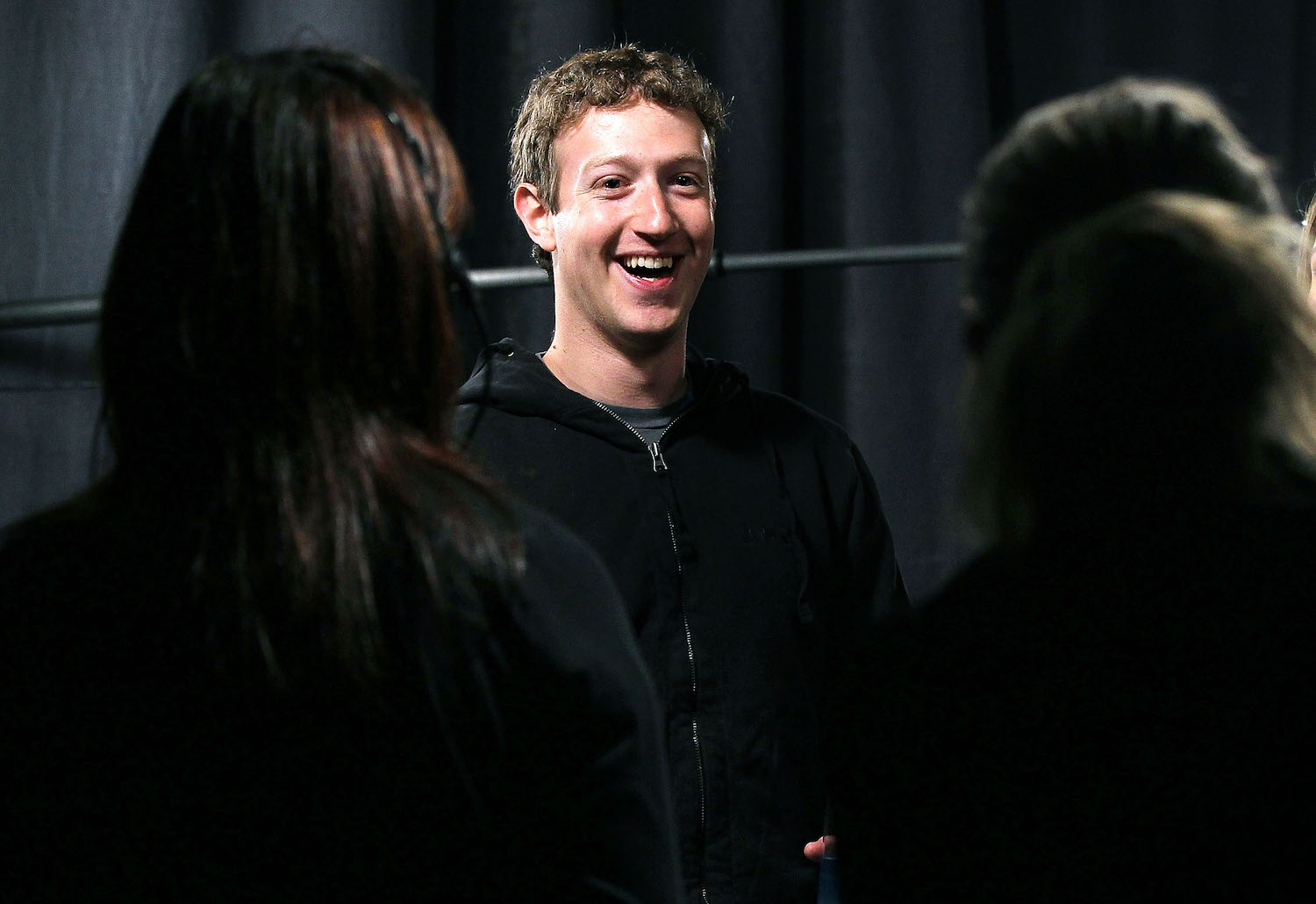
Facebook founder and CEO Mark Zuckerberg at a developer conference in April 2010 in San Francisco, CA. Getty
A few weeks ago I did an interview with Dan Denvir of Jacobin Radio’s The Dig podcast about the prospects for creating an independent working-class political party in the US. One of the points I tried to make was that American parties, unlike their counterparts elsewhere, have no mass memberships.
The real “members” of the parties are their officeholding politicians. And the primary function of the party organization is to strengthen those individual officeholders, not just in relation to candidates from the opposing party, but also vis-à-vis their own electoral base. That’s why party fundraising groups like the Democratic Congressional Campaign Committee never support primary challenges against incumbent Democrats — even when the incumbents in question take positions at odds with the party’s congressional leadership.
This set-up leaves each individual politician free to play the role of broker, balancing the competing interests of various constituencies as they see fit, with no interference from annoying party bodies or membership organizations. And in the Democratic Party’s case, that means balancing its business constituencies against various progressive or working-class interest groups.