The Dumb Money
The definitive explanation of why Bitcoin is stupid.
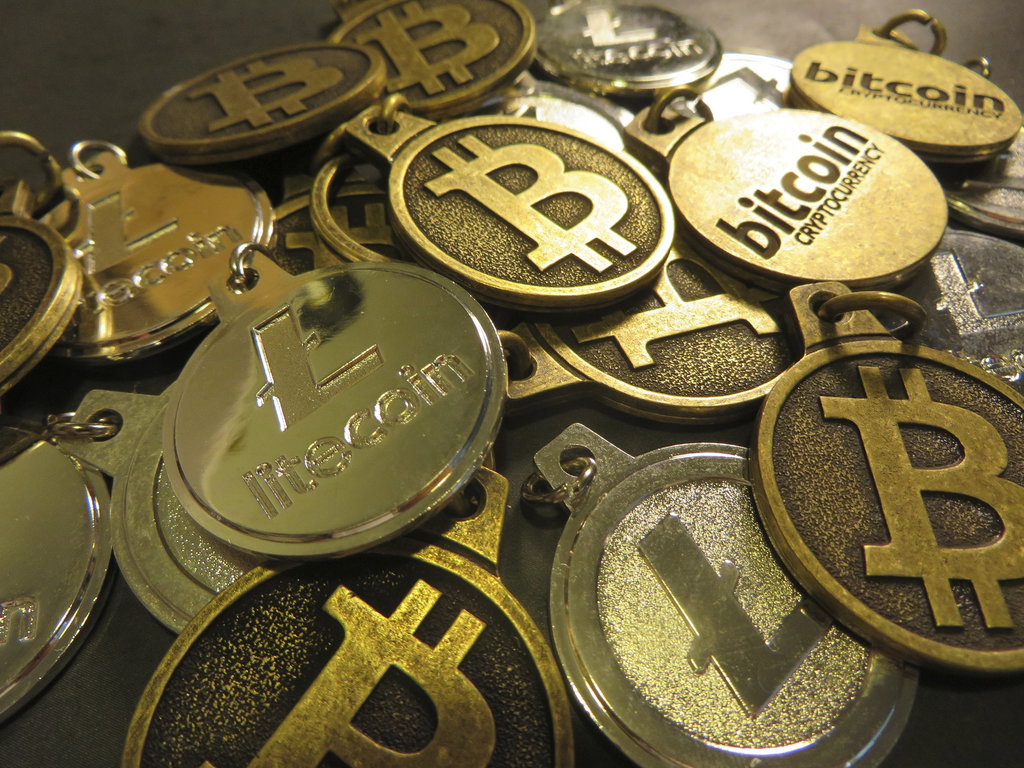
Pile of Bitcoin and Litecoin keychains, November 30, 2013.BTC Keychain / Flickr
Bitcoin’s pseudonymous creator, “Satoshi Nakamoto,” announced his new invention under two guises. The first was as a sober engineer, touting the benefits of his new invention for internet merchants. His original 2008 technical paper introduced Bitcoin as the solution to a practical problem. Why accept this weird new currency? Because while the existing electronic payments system “works well enough for most transactions,” it “still suffers from the inherent weaknesses of the trust based model.”
The problem, as Nakamoto described it, seems curiously modest: financial institutions can reverse charges if a customer disputes them. “The cost of mediation increases transaction costs, limiting the minimum practical transaction size and cutting off the possibility for small casual transactions, and there is a broader cost in the loss of ability to make non-reversible payments for non-reversible services.” For in-person transactions, cash solves that problem — once it’s passed to you, you have possession. But Bitcoin does it for electronic transactions. It replaces mere “trust” with “cryptographic proof.”
But then there was Nakamoto’s second guise: that of a techno-libertarian, web-forum dweller, tapping into old tropes of right-wing money crankery, presenting Bitcoin as a weapon against “fiat currency” and “fractional reserve banking.” A web-forum post by Nakamoto linked to the technical paper, but reworked the message for a different crowd. The problem again was “trust,” but here he focused on Bitcoin as a solution to public rather than private problems: “The central bank must be trusted not to debase the currency, but the history of fiat currencies is full of breaches of that trust . . . Banks must be trusted to hold our money and transfer it electronically, but they lend it out in waves of credit bubbles with barely a fraction in reserve.” Again, Bitcoin avoids the problem of trust in fallible or malign human institutions through the wonders of “cryptographic proof.”