The Soviet Hippies
A look at counterculture behind the Iron Curtain.
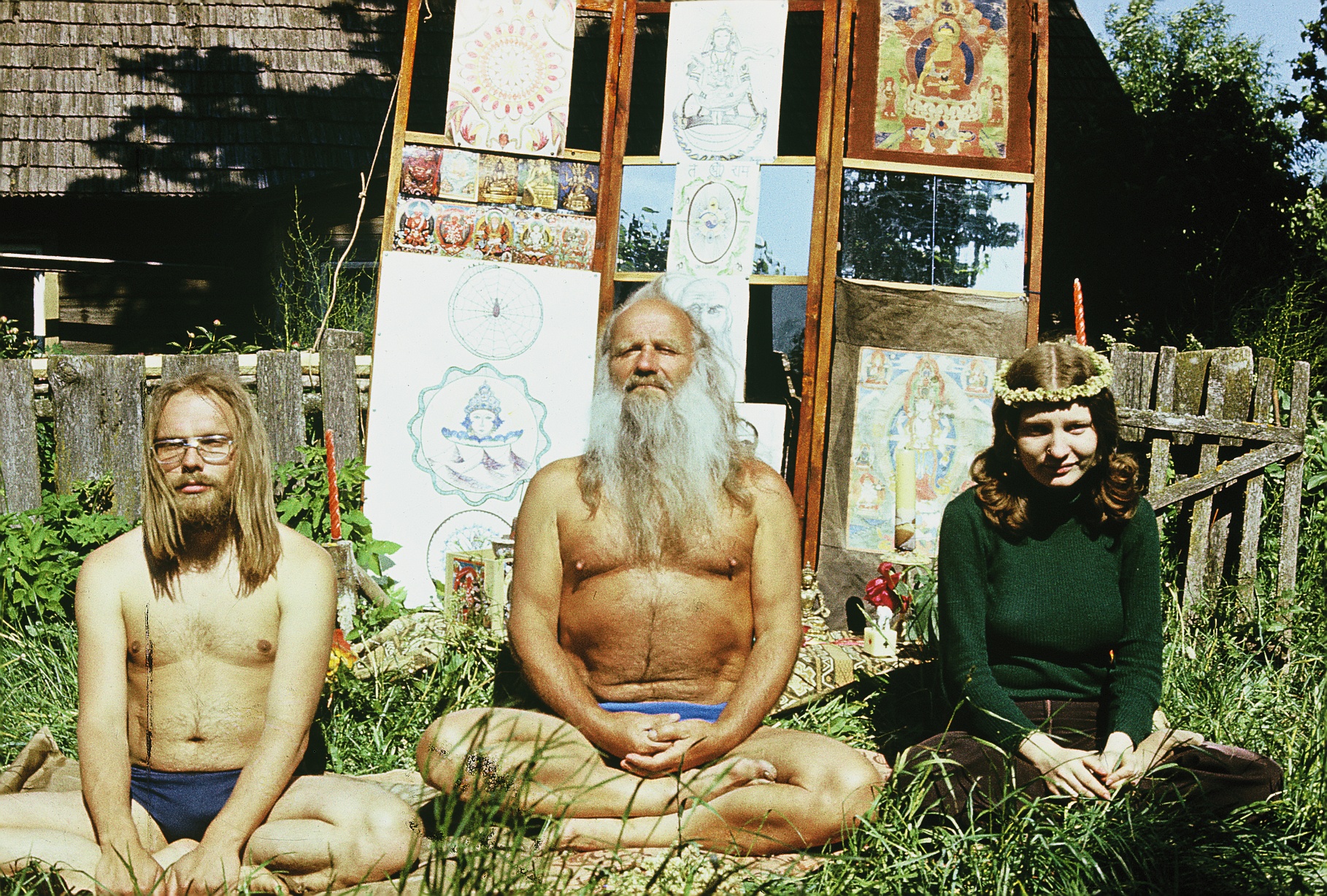
Guru Mihkel Ram Tamm, late 1970s.Courtesy of Soviet Hippies.
Although veteran leftists may wince at the notion, hippie culture remains associated with political protest in the popular imagination. During the height of student radicalization in the 1960s, the music, clothing, and visual aesthetic associated with the hippie movement permeated the protest culture of the New Left. This image continues to animate right-wing caricatures of the Left even today.
While this particular type of cultural rebellion was most prominent in the Fordist societies of the capitalist West, it found its way across the Atlantic and took on a unique form in Leonid Brezhnev’s stuffy and increasingly stagnant Soviet Union. There, thousands of disaffected young citizens banded together in an underground network of self-identified hippies calling themselves Sistema, or “the system.” The largely forgotten movement’s story serves as the focus of a recent documentary titled Soviet Hippies, capturing a unique slice of Cold War culture in which diffuse, anti-authoritarian sentiment resonated with young people on both sides of the Iron Curtain. Jacobin contributing editor Loren Balhorn recently spoke with the film’s director, Terje Toomistu.
Loren Balhorn
Your film documents the life and times of a network of hippies, primarily concentrated in the Baltic States but spread throughout the USSR, called Sistema. Where did the name come from and why did it become the nickname for this group of long-haired, rebellious Soviet kids?
Terje Toomistu