The Critic and the Clown
The marketplace of ideas, like all markets, is a highly structured one, privileging some ideas over others.
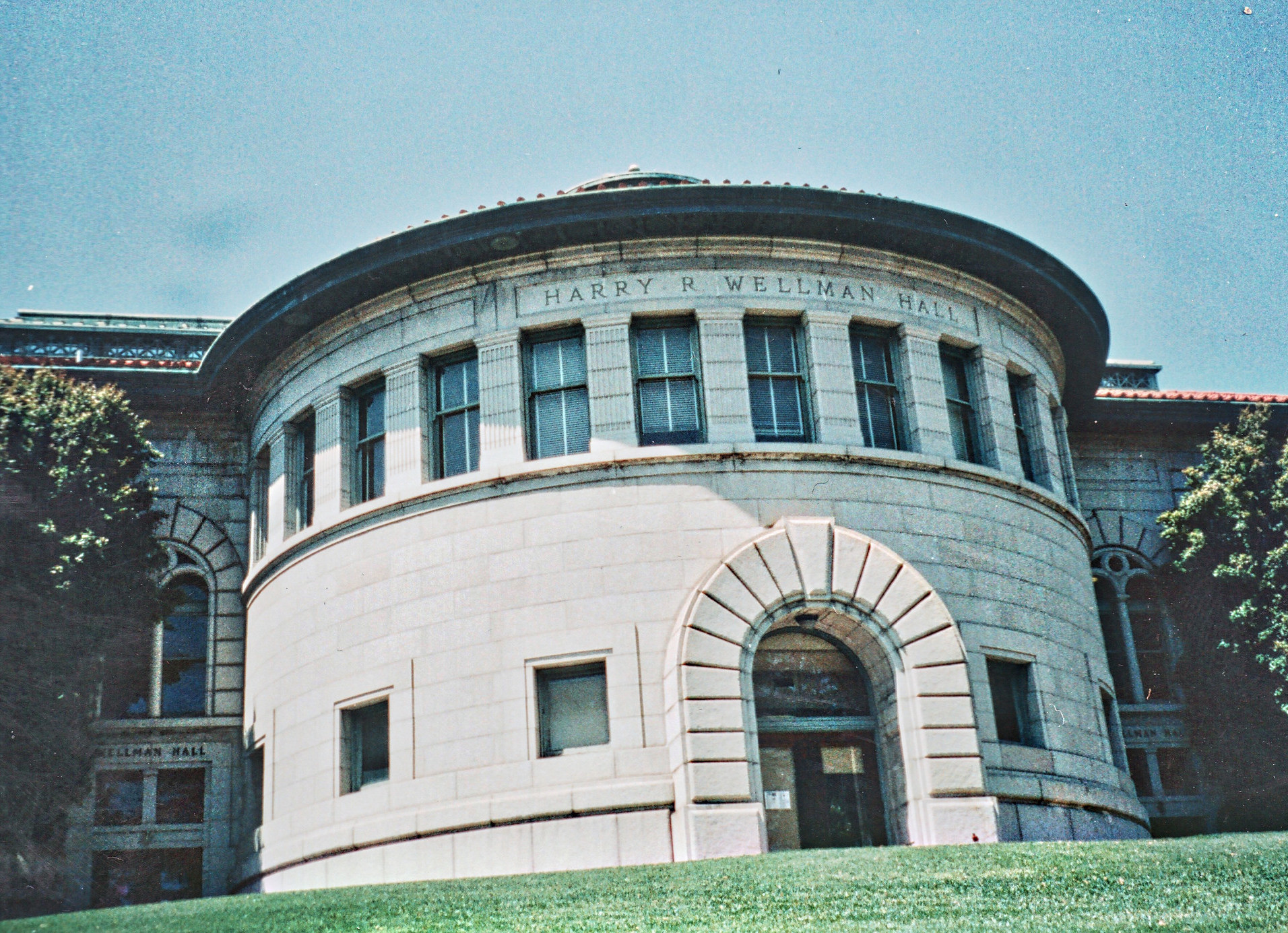
Harry R. Wellman Hall on the University of California Berkeley campus. Onasill ~ Bill Badzo / Flickr
We seem to have reached a new high, or low, in the academy’s free speech wars. Berkeley’s anthropology department has been compelled to reschedule a talk by Anna Tsing, a well-known and highly regarded anthropologist at UC Santa Cruz, in order to make space — a safe space, as it turns out — for Milo Yiannopoulos to speak there on the same day.
Aside from getting us — rightly — infuriated, I hope this incident reminds us that the marketplace of ideas, like all markets, is a highly organized and structured market, privileging some ideas over others. Ideas don’t simply enter and exit a power-less space; speech doesn’t just happen. In any institution, there are gatekeepers who give a pass to some speech but not others, and who insist that the price of entry for some speakers is higher than others.
Speech is a material practice: it requires resources (paying a speaker, setting up sound systems, reserving rooms, paying for security, and so on), and resources need to be distributed. In a system of scarcity, which is what an institution is (even in the academy, time and space are finite, as this Berkeley episode reveals), distribution will involve considerations of equity: some interests will be heeded, some will not; some voices will get heard, some will not. While we tend to think of speech as simply additive — I speak, you speak, we all speak — it can be a zero-sum game.