The Connective Party
The task for socialist parties is to actively build the class power of working people.
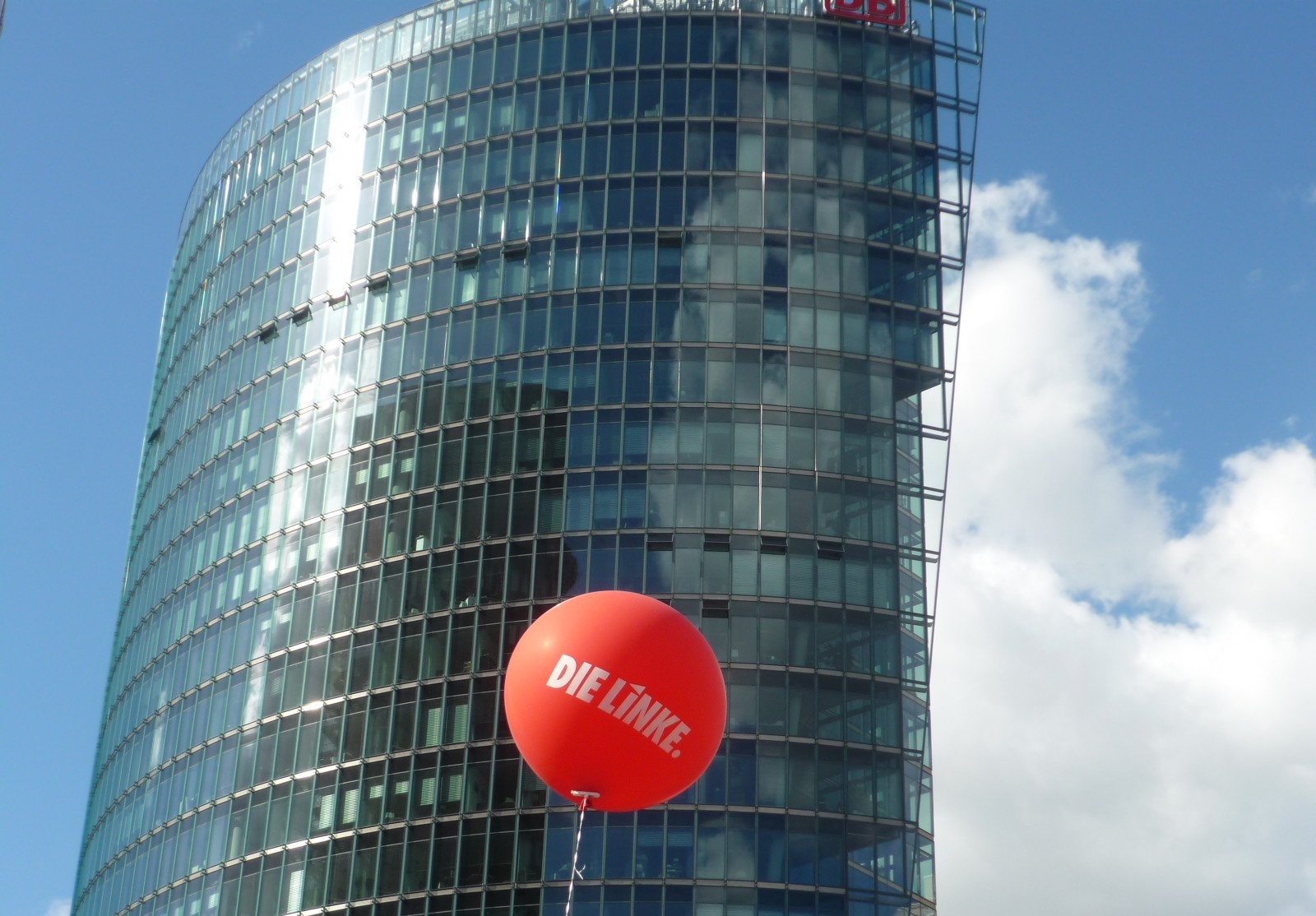
Benjamin Beckmann / Flickr
The 2007 founding of Die Linke, or the Left Party, in Germany, marked a crack in the social-democratic hegemony that characterizes Germany’s trade unions. This hegemony had been eroding since the 1990s, but in the wake of mass protests against the “Agenda 2010” reforms, fractions of the trade unions finally broke with the neoliberalized Social Democratic Party (SPD) to participate in the founding of Die Linke.
The party has thus far been able to fill the gap it created and establish itself as a strong minority wing within the trade unions. At the same time, it faces the challenge of extending its support to unionized wage earners and expanding its “use value” within the struggles for better living and working conditions.
Partly in an attempt to address these challenges, Katja Kipping and I have been working towards renewal of our party’s culture and strategy as a “connective party” since 2012. This comes from the insight that a change in the relation of forces in society is the only possible basis for shifting the balance of forces within the state, and thus for even considering participation in government.