The Price of Life
Like many coal bosses before him, Massey Energy CEO Donald Blankenship put profits before workers’ safety.
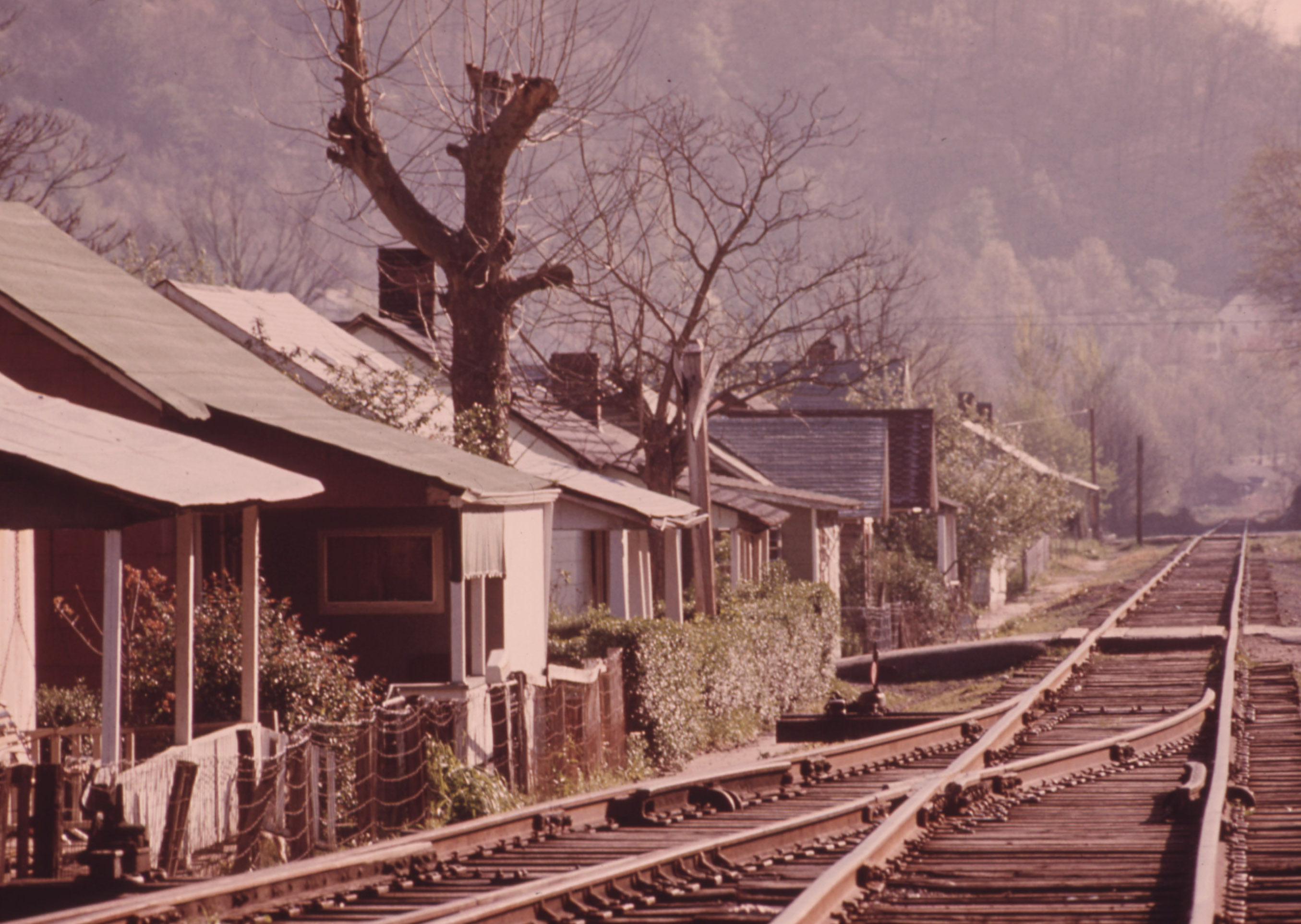
Miners’ homes in a company town near Logan, WV in 1974. The U.S. National Archives / Flickr
In November 2015, when a federal grand jury indicted former Massey Energy CEO Donald L. Blankenship for willfully violating government safety regulations in order to maximize coal production, it suddenly seemed possible that a top corporate executive might be held accountable for miners killed on his company’s property.
Twenty-nine miners had died on April 5, 2010 in an explosion at Massey’s Upper Big Branch mine in Montcoal, West Virginia. This tragedy, the Mine Safety and Health Administration later concluded, was a direct result of safety violations at the mine. Faced with volleys of public condemnation, Blankenship later surrendered control of the corporation he ran for twenty-eight years and descended into retirement under a golden parachute worth $80 million.
On April 6, nearly six years to the day after the lethal disaster — and just a few months after the jury found Blankenship guilty of intentionally flouting federal mine safety laws, but acquitted him of any direct responsibility for the deaths — the judge, the daughter of a coal miner, told the defendant: “You should be someone we are able to tout as a West Virginia success story,” but instead “we are here as a result of your part in a dangerous conspiracy.”