Immanuel Wallerstein and the Life and Death of Capitalism
Immanuel Wallerstein was convinced that the capitalist system would end within the next few decades and would either be replaced by a more regressive world-system or a more democratic and egalitarian one. In his view, the odds were 50-50 each way.
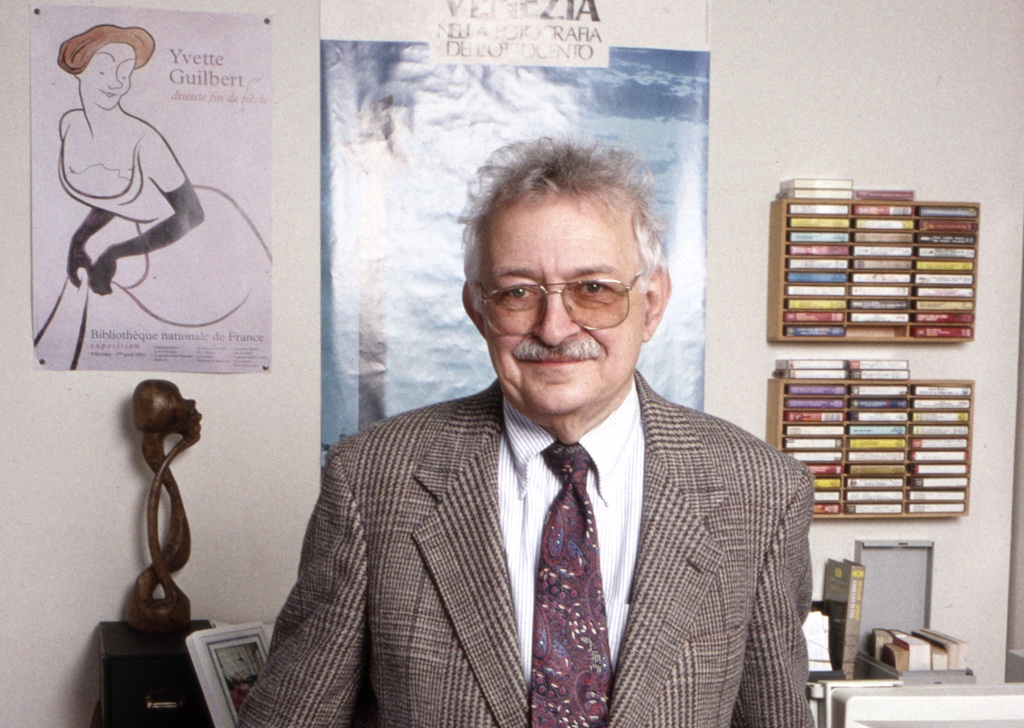
Immanuel Wallerstein in February 1997 in France. (Louis Monier / Gamma-Rapho via Getty Images)
When Immanuel Wallerstein died in 2019, he was one of the most influential thinkers about the crisis-ridden development of global capitalism. People who might never have read one of his books will still find themselves referring to the “core” and the “periphery” of the capitalist world-system.
Wallerstein was convinced that capitalism would end within the next few decades. But he thought that it could either be replaced by a more regressive system or a more egalitarian one, depending on the outcome of popular struggles for democracy.
Gregory Williams is a professor of political science and international relations at Simmons University in Boston, and the author of Contesting the Global Order: The Radical Political Economy of Perry Anderson and Immanuel Wallerstein. This is an edited transcript from Jacobin Radio’s Long Reads podcast. You can listen to the interview here.