How Fast-Food Giants Hide Behind Their Franchises
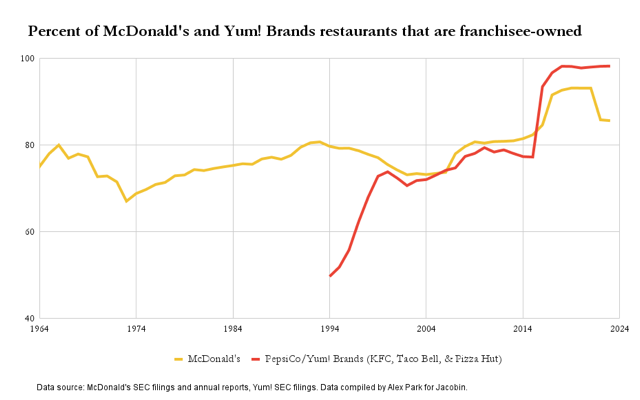
As major fast-food corporations like McDonald’s and Taco Bell transformed into almost fully franchised operations, the chains created a system that shields them from accountability on labor issues while maintaining strict control over working conditions.
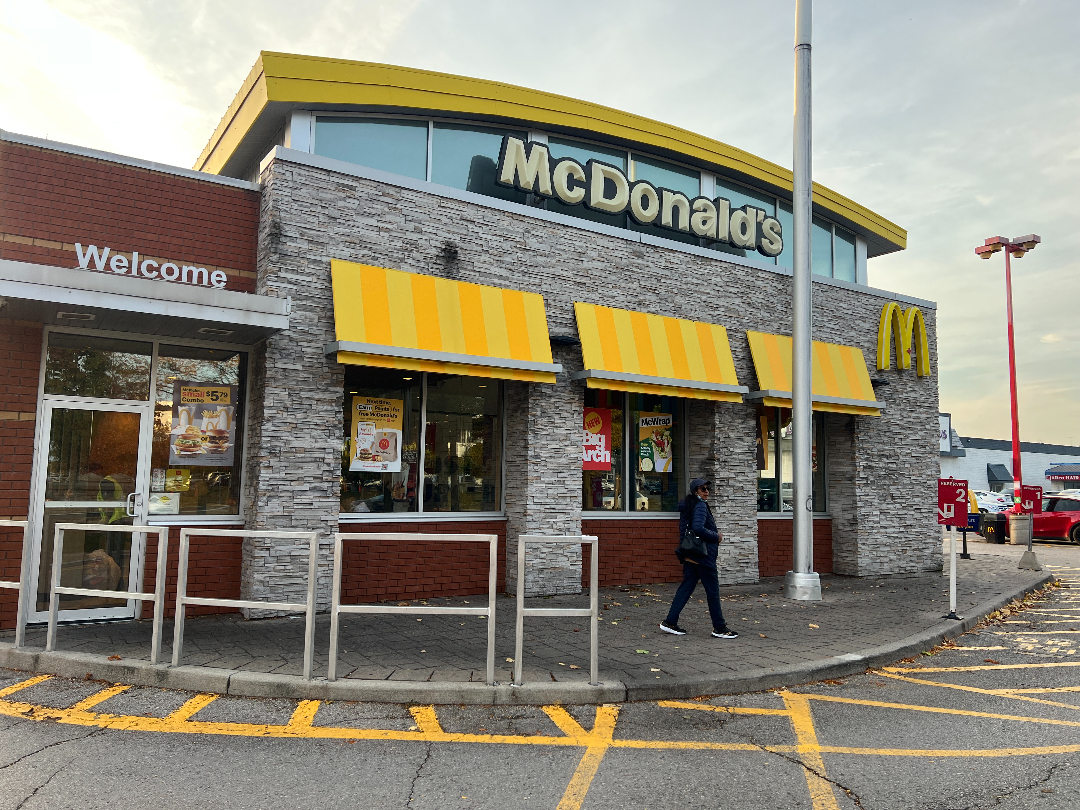
Fast-food franchising has created a convenient shield for corporate owners, allowing them to maintain strict control over working conditions while distancing themselves from legal responsibility for labor violations — essentially giving them the best of both worlds at workers’ expense. (Creative Touch Imaging Ltd. / NurPhoto via Getty Images)
You probably know that the fast-food business in the United States operates on a franchise model. It works like this: an entrepreneur, called the “franchisee,” pays a big corporation with a recognized brand like McDonald’s Corp for the right to use its name and likeness. In exchange, the franchisee usually gets exclusive rights to do business under the franchisor’s name in a given area.
For the two largest fast-food companies in the world, McDonald’s and Yum! Brands (the company that has controlled Taco Bell, KFC, and Pizza Hut since 1997), franchising is the preferred means of expansion. In 2023, 86 percent of McDonald’s and 98 percent of Yum restaurants were operated by franchisees. Subway, the world’s second-largest restaurant chain by number of locations after McDonald’s, has been 100 percent franchisee owned for years. After coming under the umbrella of a Brazilian private equity fund ten years ago, Burger King quickly adopted a “nearly fully franchised model.” In 2010, 13 percent of Burger Kings were company operated, but by 2023, the company directly ran a scant 2 percent of the stores that carried its name.