Narendra Modi Is Developing a New Template for Authoritarian Control of the Internet
Narendra Modi’s government has launched a relentless clampdown in a bid to suppress its critics. As part of this drive, it is developing new tools to stifle free expression on the internet while extending the reach of online surveillance over India’s citizens.
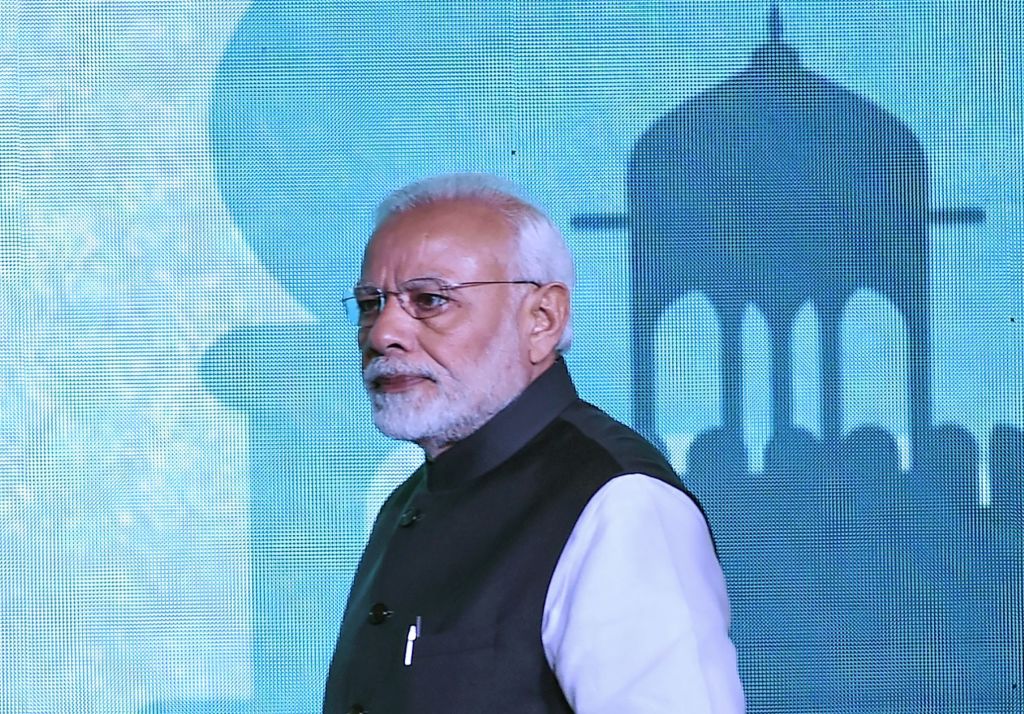
Indian prime minister Narendra Modi in New Delhi, January 8, 2019.(Money Sharma / AFP via Getty Images)
It has been nine years since Narendra Modi’s Hindu nationalist Bharatiya Janata Party (BJP) came to power in India. During that time, Modi and his party have launched an escalating crackdown on their political opponents and media critics.
In March of this year, Rahul Gandhi, one of India’s most prominent opposition leaders, was convicted of defamation for a speech he had made attacking Modi in 2019. Defamation is a criminal offense in India, and Gandhi received a two-year prison sentence as well as being excluded from India’s parliament.
Many journalists have been jailed for reporting on issues that displeased Modi’s government. The Indian authorities have raided the offices of human rights organizations like Amnesty International and frozen their bank accounts, accusing them of money laundering. In February of this year, there were raids on the BBC’s local offices after the British channel broadcast a documentary that criticized Modi’s handling of the 2002 anti-Muslim violence in Gujarat when he was the state’s chief minister.