Alberta Is Canada’s Most Conservative Province — but It Doesn’t Have to Be
The leadership race for Alberta’s United Conservative Party signals a further shift to the right in Canada’s most conservative province. But the province’s conservatism isn’t innate — it is a result of carbon producers’ domination of the economy.
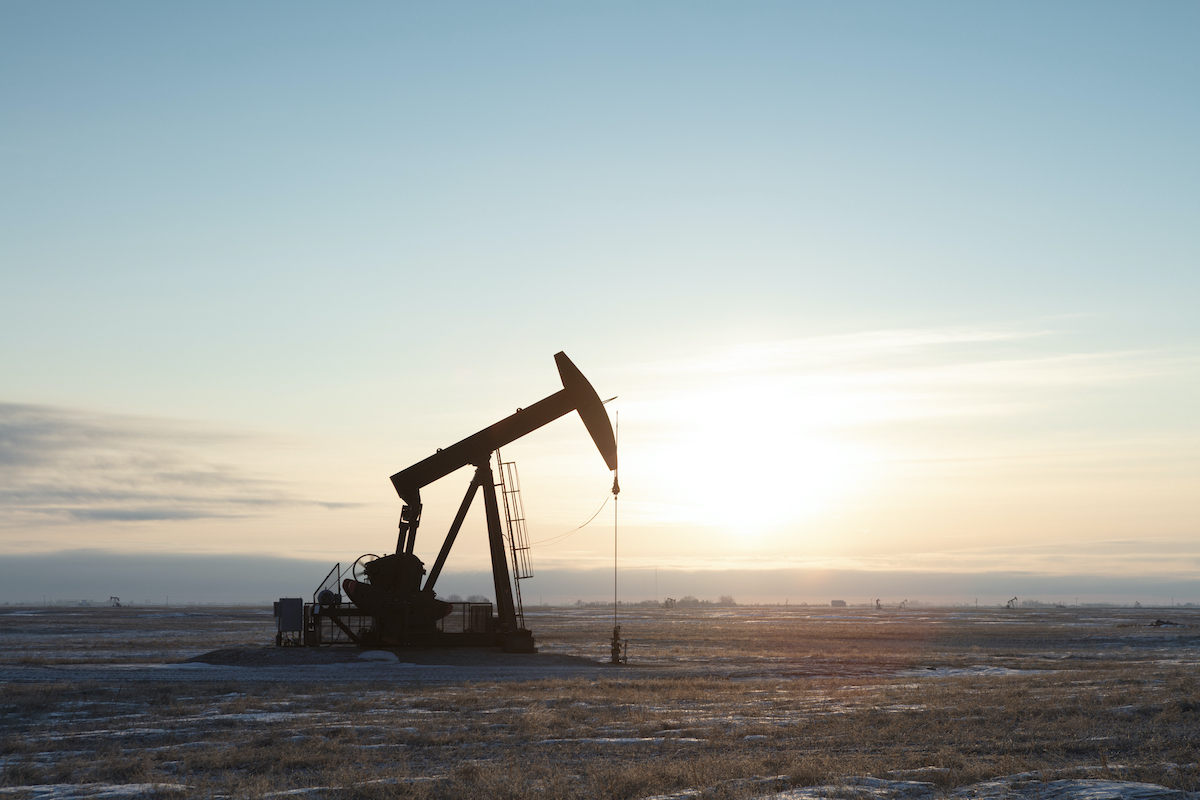
Fossil fuel extraction is a massive industry in Alberta. (Getty Images)
When Jason Kenney announced, on May 19, that he would be stepping down as leader of the United Conservative Party (UCP), and thus also as the premier of Alberta, it finalized a stunning fall from grace. Kenney, who had previously made a career in federal politics, waded into the provincial scene after the surprising election of 2015, in which the social democratic New Democratic Party (NDP) swept to a majority in the legislature. This unexpected victory followed almost eighty uninterrupted years of conservative governance in Alberta.
In the years leading up to the 2015 election, the Progressive Conservative (PC) Party, which had governed the province since 1971, had been mired in scandal. The reactionary Wildrose Party had been gaining in popularity, too, and the result was a splintered right, a disgruntled electorate, and an ascendant NDP. Sensing an opportunity, Kenney successfully sought the PC leadership in a campaign premised on a merger with Wildrose. By October 2017, Kenney had “united the right” and become leader of the UCP after the PC and Wildrose merged that summer.
His party won a majority in the 2019 election and seemed to have returned Alberta to its natural state of conservative rule. Three years later, after barely surviving a leadership review, Kenney is very unpopular and he is out. Kenney’s departure, however, does not signal that the party is moving to the center. Whoever replaces Kenney this October, it seems virtually certain that the result will be a further rightward lurch.