The Debate Over Service Work and Unemployment Benefits Shows Why Marxism Is Right
More than any Marxist text ever could, the COVID-19 emergency cash relief programs — and the furious reaction to them from employers — lay bare the raw truth about capitalism: bosses' profits depend directly on workers' remaining terrified of destitution.
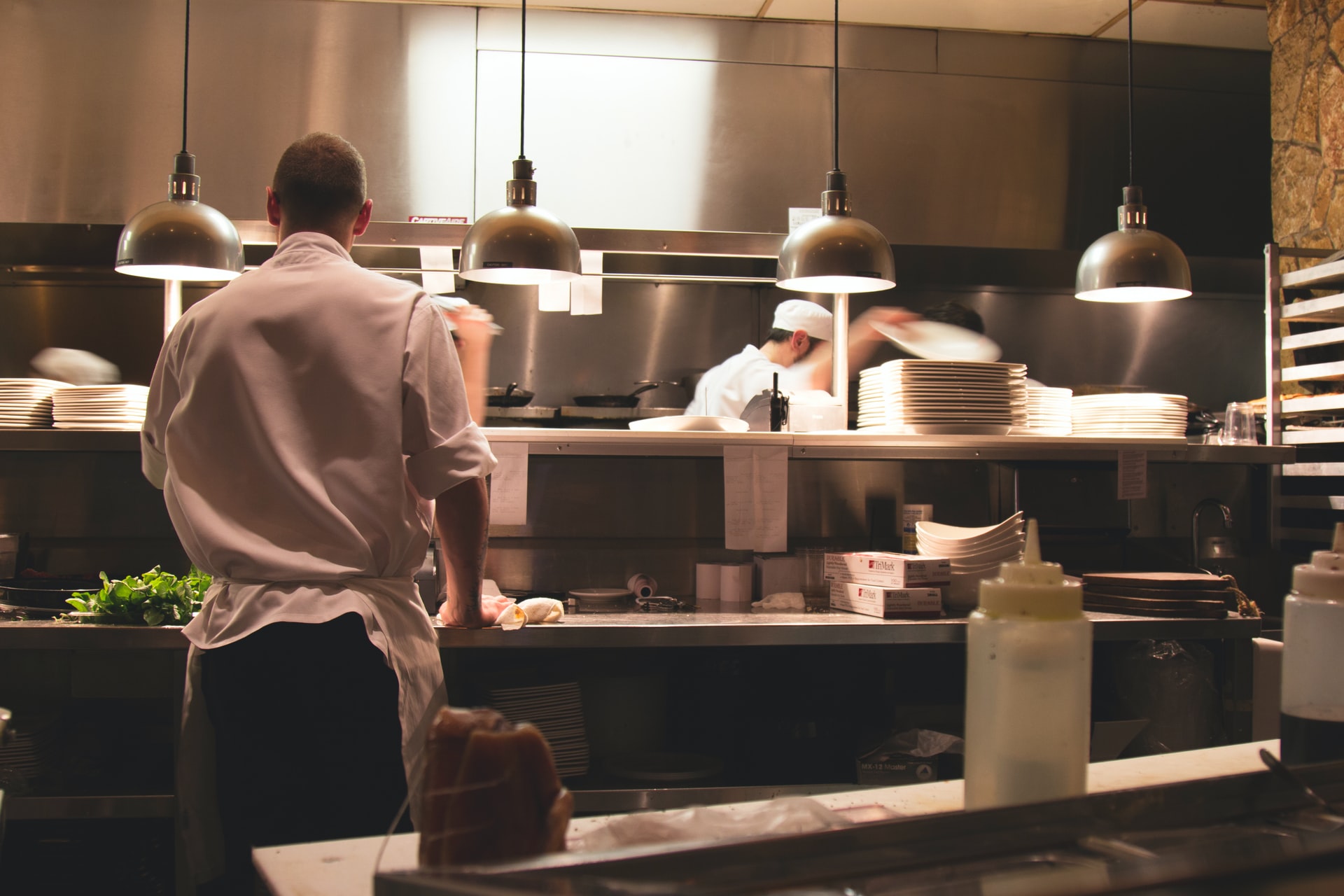
The pandemic and the wider discussion around government benefits it’s currently inspiring are a stark reminder that much of the economy depends on keeping essential workers in a state of permanent precarity. (Michael Browning / Unsplash)
Working as a line cook remains one of the single most grinding and unpleasant experiences of my life. Besides my brief stint as a telemarketer making calls on behalf of the good folks at Discover Card (an experience I still wouldn’t wish on my worst enemy), nothing even comes close. The latter, whatever else might be said about it, did at least take place in a cubicle where the risk of injury was purely emotional and came exclusively in the form of verbal abuse transmitted through my headset. In the kitchen, I was physically injured all the time. Cuts and oil burns were quite common, as were burns from a stove, grill, or searingly hot utensil left on a burner for too long (these wounds would be treated, and those hurt would generally be expected to resume their shifts as quickly as possible). On one occasion I was asked, with zero guidance or training, to slice meat in the basement using a machine you might expect to see in a torture chamber owned by Vlad the Impaler, which very nearly sliced my fingers off the moment I plugged it in.
As you would expect, the work was badly paid and the environment hyper-exploitative: minimum wage to stand in a tiny, poorly ventilated room (where the temperature would occasionally exceed 40 degrees Celsius in the summer) for ten hours, twelve hours, and sometimes more. Once, I even remember being told to stop punching in until I’d changed into my kitchen uniform (the act of getting dressed generously took about ninety seconds, so with the hourly wage being something like CAD$8.75, I’d estimate that this habit had been costing the owners the princely sum of about 2 cents per night). Kitchen staff did get a share of the tips, but when I returned to my old job after a year’s absence, I was promptly told that a “new rule” meant I no longer qualified. Conservatively, this amounted to a unilateral pay cut of 10 percent — and there was absolutely nothing I could do about it.
I don’t share these experiences because I think there’s anything unique about them, or because I believe they were even particularly bad by industry standards (many women in the restaurant industry, for example, could probably add countless experiences of sexual harassment to the kinds of things described above). With very few exceptions, low-wage work is a meat grinder designed to extract the most labor for the least compensation permitted by law, less scrupulous owners and managers cutting corners or skirting regulations wherever they think they can get away with it. By and large, it’s not something any rational person would choose to do (let alone enjoy) unless they had no other option — a reality impressed on me again last week as America’s business and restaurant lobbies complained of worker shortages and elected politicians dutifully regurgitated their talking points.