New York City’s Fiscal Crisis Can’t Be Solved on the Backs of Its Working Class
If New York City is going to avoid catastrophic austerity measures in response to the COVID-19–induced fiscal crisis, the city’s municipal unions will have to summon a fighting spirit that has been missing for a very long time.
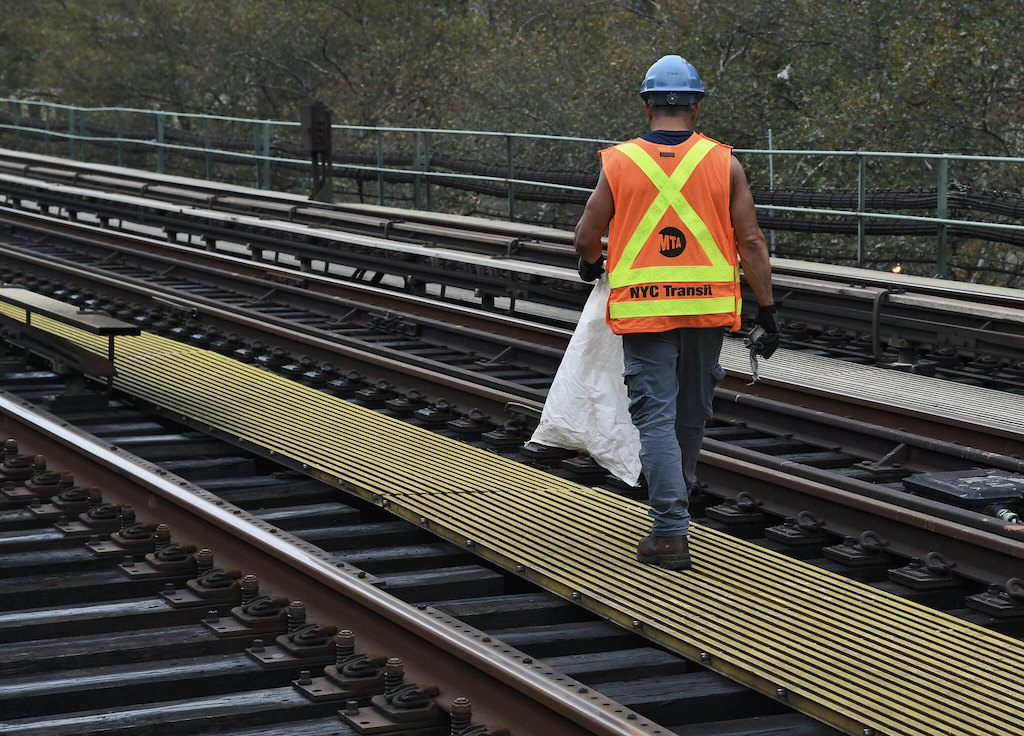
With New York’s contact-intensive economy suspended, hundreds of thousands of workers were unemployed or thrown into the uncertainty of indefinite furlough. (Marc A. Hermann / MTA New York City Transit)
The COVID-19 pandemic has killed nearly twenty-five thousand New York City residents. The worst of the public health crisis may have passed, but its dire toll has triggered a second crisis. Shutting down huge swaths of the economy was necessary to save lives, but the deep freeze on economic activity has plunged the city into its worst fiscal crisis since the troubled 1970s.
Then as now, municipal workers and their unions are in the crosshairs. If the city’s economic and political elites have their way, labor will pay for the crisis again — just like it did in the 1970s.
A Fragile Giant
New York City’s economy was particularly vulnerable to a deadly pandemic. COVID-19 thrives on close interaction, and so do many of the city’s leading industries: personal services, tourism, leisure and hospitality, food and drink, education, health care, entertainment. In normal times, millions of workers travel to and from the city daily to work in densely packed offices, ride crowded elevators, crush against each other in subways and buses, and pack bars and restaurants.