Corona Couture and the Fast-Fashion Face Mask
The fast-fashion industry has long been known for its exploitative practices, which have continued during the pandemic, despite the health risk to garment workers. The production of “fashion masks,” which substitute actual protection for mere simulation, shouldn’t surprise us.
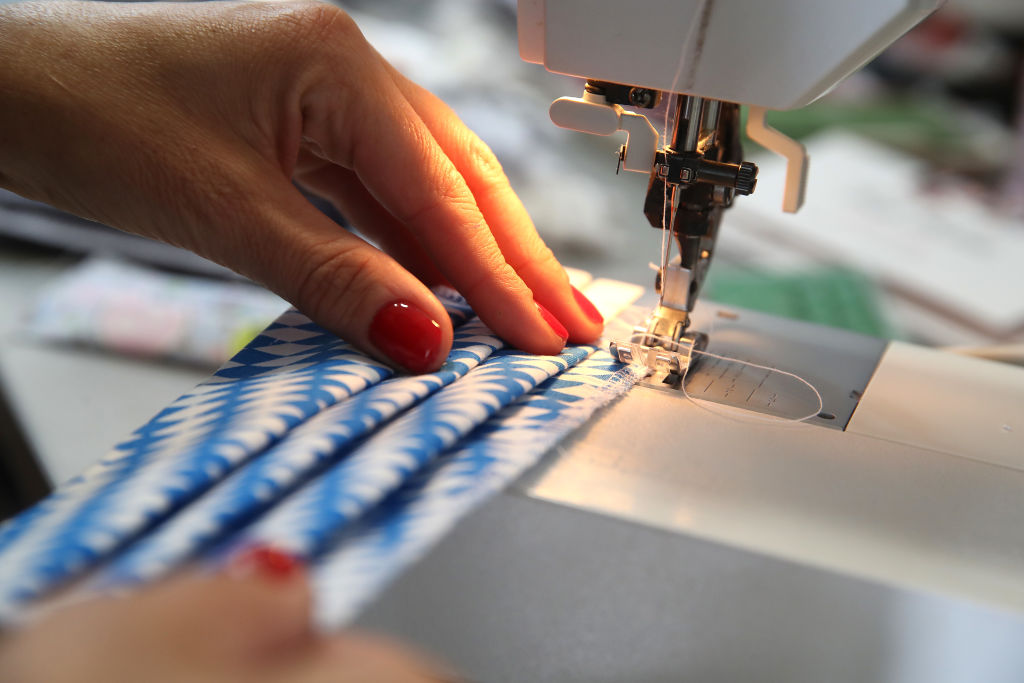
Because the wearing of face masks is necessary for virus suppression, brands have taken an opportunity to commodify essential life-protecting equipment, and have used it to further endanger and exploit marginalized people to produce their goods. (Alexander Hassenstein / Getty Images)
Amid the pandemic, a new market for fashion-forward personal protective equipment (PPE) has arisen. Online retail giant Boohoo, already known for the maltreatment of workers that is endemic throughout the fashion industry, has now branched into so-called PPE production. At the beginning of the UK lockdown, Boohoo released a range of “fashion masks” that were a mere simulation of the look and feel of PPE. “Shop the style” went the motto, but the masks made no attempt to adhere to any of the necessary protective requirements.
In case we needed another reminder, this latest scandal is an exemplary reminder of the corporate fashion industry’s exploitative agenda, where fake masks are produced by appallingly underpaid workers who are themselves not granted adequate protective gear while the Leicester factory continues production amid the pandemic.
Coming under swift and deserved criticism, Boohoo has since corrected various design flaws in the masks. Yet the improvements are only piecemeal. In July, PrettyLittleThing, a subsidiary of Boohoo, released a black diamante fishnet fashion face mask. Providing zero aerosol coverage, the dictum of form following function was clearly not a consideration in the design of this mask. As many noted, these masks miss the point of PPE entirely.