How Europe’s “Trash Market” Offloads Pollution on Its Poorest Countries
For decades, Europe’s big economies outsourced the problem of pollution by literally shipping their trash to China. When Beijing banned the toxic trade in 2018, it could have served as a wake-up call — but instead, the big polluters have rerouted their garbage to low-wage, low-regulation countries inside the European Union.
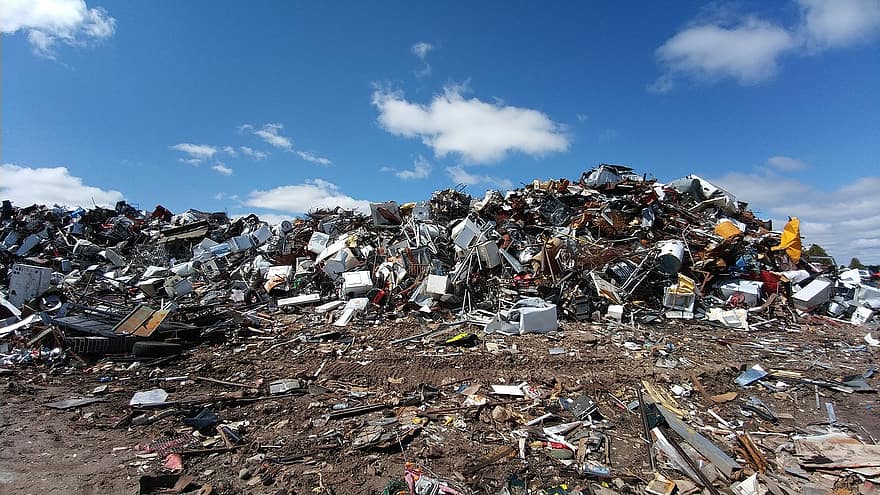
Instead of markets in trash, we need to move swiftly to rein in trashy production that trashes the planet for profits.
Late January saw angry protests in the streets of Pernik, Bulgaria, as residents denounced the toxic air and the depletion of the local dam. In this now-shrinking industrial center just twenty miles from Sofia, air quality meters routinely record appalling sulfur dioxide levels of over 900 micrograms/m. This highly toxic gas — the main component of acid rain, when combined with water — causes respiratory damage and is particularly dangerous for children and asthmatics. Blame for the rising pollution was attributed to a nearby privatized coal power plant that burned garbage to meet the surge in demand for heating.
Complaints here, as in other towns, soon prompted a government investigation, asking why Bulgaria’s power plants were really burning so much trash. The prevailing narrative sees this simply as a domestic problem, pointing the finger at corruption and collusion between public authorities and private business interests. But the problem isn’t just local. Rather, it is fed by the European legal framework that permits trash burning in the first place — the “circular economy” ironically meant to serve the “transition to a sustainable society.”
The circular economy aims to diminish waste levels and is a central plank of the newly proposed “European Green Deal” — yet this gesture is more of a window-dressing exercise that, as Yanis Varoufakis compellingly argued, has little to do with a real Green New Deal. The circular economy encourages reuse and recycling of consumer products via restrictive policies, such as bans on single-use plastics, but also through incentives for energy efficiency, recycling, and waste markets.