When Capitalists Build Too Much
Real estate developers aren’t just gentrifying residential areas — in cities like Chicago, they’re also building lots and lots of office buildings, often totally unnecessary ones. Understanding why can help us work to build just cities for all.
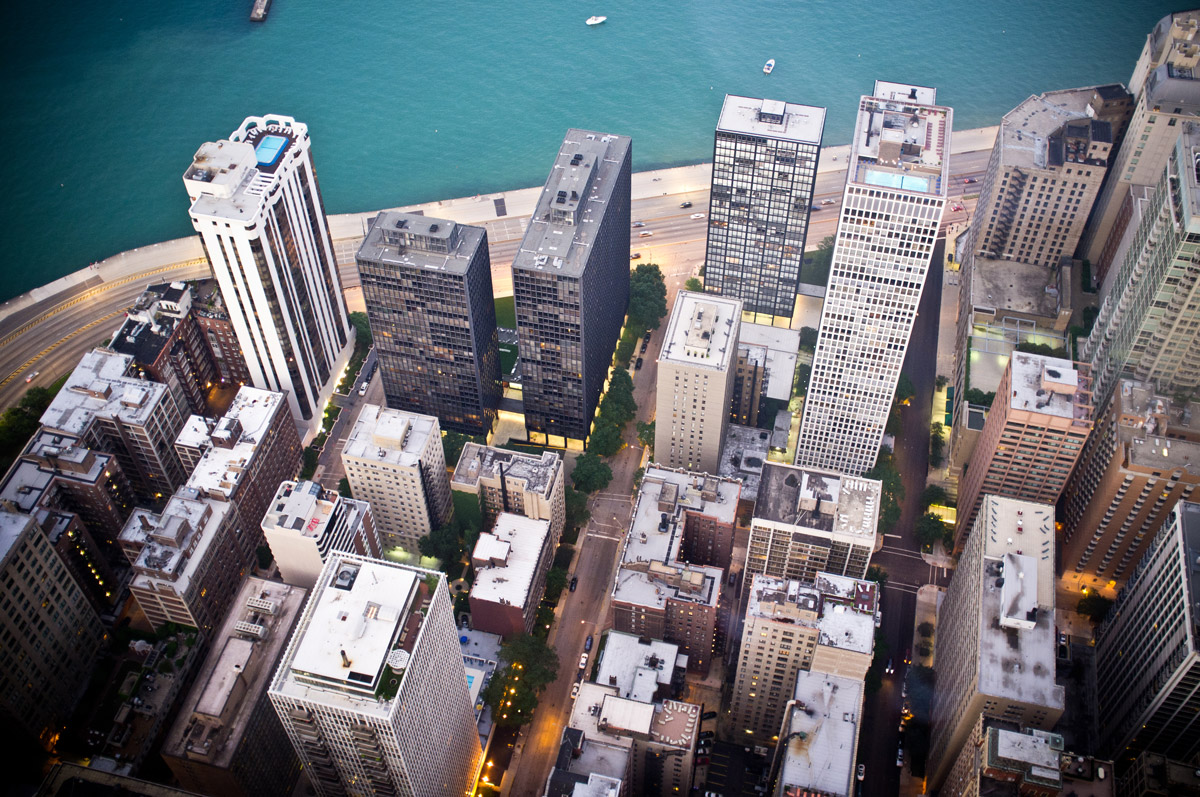
(Flickr)
Rachel Weber’s From Boom to Bubble: How Finance Built the New Chicago examines speculation and overbuilding of commercial real estate, focusing on Chicago in the 2000s. The book is based on ethnographic research of key real estate actors, pairing interviews with an analysis of financial structures and public policies that power the building (and overbuilding) machine.
Developers do not just respond to demand from potential occupants, Weber argues. Buoyed by an abundance of capital made possible by deregulation and the invention of new financial instruments, and pushing the idea of “obsolescence” of older buildings, the real estate sector actively produces demand. “Real estate” is a collection of individuals working for institutions: brokers, advisers, market analysts, appraisers, building managers, attorneys, and developers.
Weber’s insight is that these private sector actors create and operate within their own professional culture that rationalizes and sustains irrational practices that produce capitalist overproduction. Planners and other public sector professionals participate in this culture, resulting in urban development policies biased toward a never-ending pipeline of new construction. These policy choices include loosening construction and zoning requirements, enhancing private developments with public infrastructure investments, hyping new development with branding and place-marketing, and, of course, subsidies like tax increment financing (TIF districts).